
Open this photo in gallery:
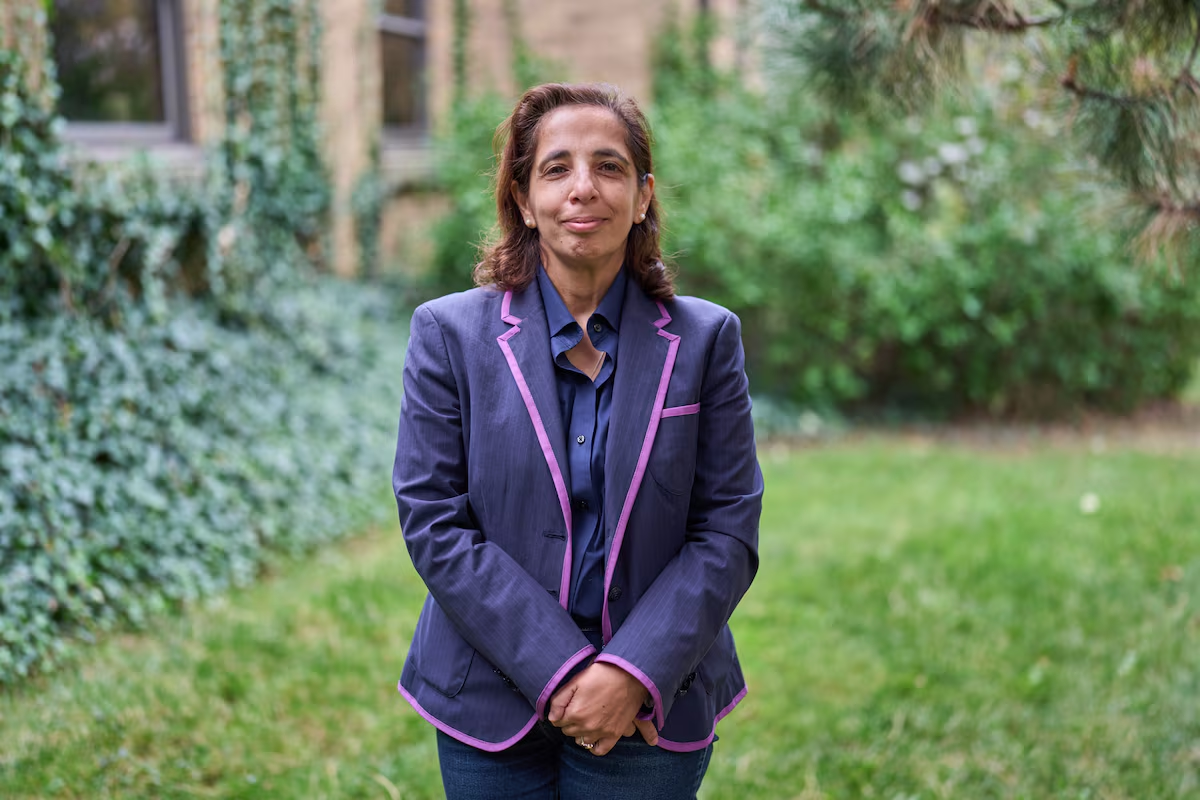
Dr. Angela Jerath, the study’s lead author and an ICES scientist, says the ultimate goal of the work is to improve patient outcomes.Arlyn McAdorey/The Globe and Mail
Patients who are cared for by female physicians in hospital are less likely to die or to be readmitted compared with those treated by male physicians, says a newly released study co-authored by two Canadian researchers.
The findings were released on Friday and published in the October edition of JAMA Network Open, a peer-reviewed journal published by the American Medical Association.
The research was conducted by ICES, or the Institute for Clinical Evaluative Sciences, a not-for-profit Ontario research and analytics institute that uses population-based health information for insights on various health care issues.
The ultimate goal of the work is to improve patient outcomes, said Angela Jerath, the study’s lead author and an ICES scientist.
Nearly 89% of Ontarians now have primary care, province says
The study analyzed ICES data on 958,150 adults who were hospitalized in the province for one of seven common medical diagnoses, including pneumonia, between Jan. 1, 2008, and Dec. 31, 2022.
It found that patients who were cared for by female physicians had a 30-day mortality rate of 12.3 per cent compared with 13.7 per cent for those cared for by male physicians.
Greater exposure to female physician care was associated with a 7-per-cent drop in 30-day mortality and the benefit persisted at 90 days and a year.
Additionally, it found a slightly lower hospital readmission rate of 18.6 per cent for those seen by female physicians compared with 18.9 per cent for those seen by male physicians.
Dr. Jerath said a possible explanation for the differences could be that female physicians may engage in more patient-centred communication and that they spend more time with their patients.
André Picard: Should some doctors be forced to practise in underserviced areas?
She also said female physicians may be more likely to order treatments for their patients that are directed by guidelines, and to consult their colleagues and share their decision-making.
The goal of the study is not to favour one group of physicians over another, but to help identify practices and behaviours to enrich patient care, said Dr. Jerath, who is also an associate professor in the department of anesthesiology and pain medicine at the University of Toronto’s Temerty Faculty of Medicine.
Dr. Jerath’s co-author, Christopher Wallis, said researching this topic as a male physician gave him an opportunity to be introspective on how he approaches his own surgical practice.
“This is about decision-making,” said Dr. Wallis, an assistant professor in the department of surgery at the University of Toronto.
“This is about how you interact with other human beings. None of this is finite or fixed in stone. We can all learn from each other.”
The findings contribute to a growing body of research on the relationship between physician sex and patient outcomes, Dr. Jerath said.
An additional factor affecting female physicians, which begins early in their careers and continues, is that there are gaps between earnings compared with male counterparts, she said.
Dr. Wallis warned that pay gaps should not be characterized on the basis that women often take on additional duties at home and therefore may work fewer hours in a professional capacity.
Burnout driving Canadian emergency room doctors to reduce hours or leave the field, new study finds
He said while this could be a factor, a number of analyses show on a per-hour worked basis, female physicians do not make as much.
“Even when you account in surgery for the number of hours you worked, the number of patients you’ve seen, women still get paid less,” he said.
Research also shows that physicians overall are putting in fewer hours.
In March, 2024, a study published in the Canadian Medical Association Journal found the decline was driven mostly by reductions among married male physicians rather than the fact there are more women in the profession.
Looking to the future, Dr. Jerath said it is important to ask questions about why female physicians may have a different approach and how these insights could be used to improve patient outcomes.
“That is what we are here for,” she said. “We don’t go to med school for any other reason. We all did it for a desire to serve.”