
Listen to this article
Estimated 4 minutes
The audio version of this article is generated by AI-based technology. Mispronunciations can occur. We are working with our partners to continually review and improve the results.
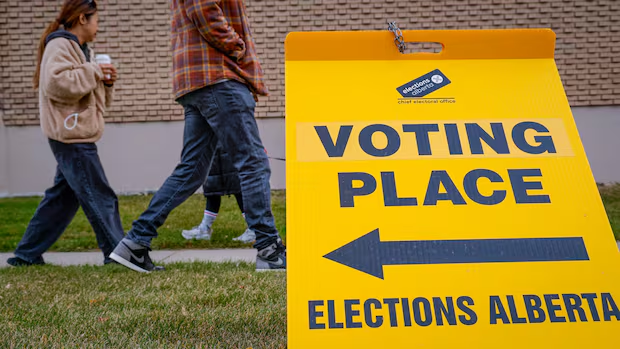
First Nations leaders believe record voter turnout in their communities helped deliver a decisive victory for treaty rights — and Canada — in Alberta’s separation referendum this week, despite reports of some communities facing barriers at the ballot box.
Jay Telegdi, Treaty 8 campaign manager, said he spent all night Monday answering calls from First Nations people who said they were turned away from voting.
“We received many calls of polling stations opening up late, at least three that I can think of on reserve, but also polling stations running out of ballots early,” Telegdi said, describing himself as sleepless and raw-voiced.
There were also reports of people being denied ballots over identification issues. Elections Alberta requires two pieces of ID if a voter’s government-issued photo ID doesn’t have a current physical address. On-reserve, a driver’s licence might list a P.O. Box, requiring a second piece of ID in some situations.
“This was a systemic issue. Across the board, I heard it in every corner of the province, and I guarantee you lots of people were turned away and denied a right to vote because of it,” he said.
WATCH | Polling station ballot shortage:
Siksika Nation chief seeks ‘formal explanation’ after ballot shortages
Samuel Crowfoot, chief of the Siksika Nation, said he’s seeking a ‘formal explanation’ from Elections Alberta after the polling station in his community ran out of ballots, leading to the delay of results in Alberta’s referendum. Siksika Nation is located about 72 km east of Calgary, and was one of a handful of polling stations that stayed open late for voters to cast their ballots after facing delays.
In an emailed response to CBC News, Elections Alberta said the ballot shortages indicated higher-than-expected turnout among First Nations communities, with several receiving multiple ballot deliveries.
“This is a good news story, showing higher voter engagement in these locations,” the agency said, adding that unofficially more communities participated than in the past — 36 in 2026 versus 33 in 2023.
Based on the calls he received, Telegdi said he believes the referendum saw the highest Indigenous voter turnout in Alberta history.
“Canada owes a deep debt of gratitude to the First Nations and Prime Minister Carney needs to recognize that,” Telegdi said.
He praised First Nations chiefs for being the only people in Alberta who “stuck their neck out to challenge this referendum in court.”
Chief Sheldon Sunshine of Sturgeon Lake Cree Nation was one of those people. He said the results — roughly 75 per cent of electors voted to remain while some 25 per cent voted to pursue a legally binding separation referendum — were “what we expected.”
He said preliminary reports indicate “a record turnout” for his community.
“We’re happy with the results, but at the end of the day it really doesn’t change much,” Sunshine said.
“We’re still going to be dealing with a government that’s been adverse to First Nations for several years.”

Sturgeon Lake Cree Nation Chief Sheldon Sunshine says the whole country likely recognizes the importance of treaty now more than before the referendum began. (Eagle Andersen/CBC)
“I hope it’s the end of the UCP government. The way I see it, like, I’m embarrassed for them. They initiated this whole process. They wasted a significant amount of money when we’re dealing with significant challenges.”
Sunshine noted “the fight is still not over,” citing the Carney government’s efforts to streamline pipeline development in the province.
A former national chief of the Assembly of First Nations (AFN) is urging Canada to deal fairly with First Nations’ concerns and grievances in the wake of the referendum.
“Albertans have made their voices heard. Now, the question is: What will Ottawa do?” said Matthew Coon Come in a statement provided to CBC News on Tuesday.
Coon Come led the AFN, which advocates for First Nations countrywide, between 2000 and 2003 but before that led the Grand Council of the Crees in Quebec for two decades, including during the province’s 1995 separation referendum.
WATCH | Ready to vote in referendum:
First Nations prepare to Rock the Vote in referendum
Ermineskin Cree Nation and Siksika Nation hosted information sessions for their community members for the referendum vote in Alberta on Oct. 19. Many say they are voting to protect treaties.
Chiefs in Alberta and Quebec have been building alliances, sharing knowledge and looking to learn from people like Coon Come as they face separatist movements in both provinces.
“It is incumbent upon Canada to address the underlying issues that fuel division, including longstanding grievances, resource jurisdiction, economic fairness, and the unresolved obligations owed to First Nations,” Coon Come said in the statement.
“Ignoring these issues will only deepen the divisions within our country.”
AFN’s current national chief, Cindy Woodhouse Nepinak, also praised the outcome in a statement on Tuesday, thanking chiefs for their work to reject “a divisive proposal that would bring needless upheaval, conflict and uncertainty for everyone.”
The chiefs are now turning their attention to an upcoming First Nations-First Ministers Meeting scheduled for Oct. 26 in Ottawa where they can make their voices heard directly.