
Open this photo in gallery:
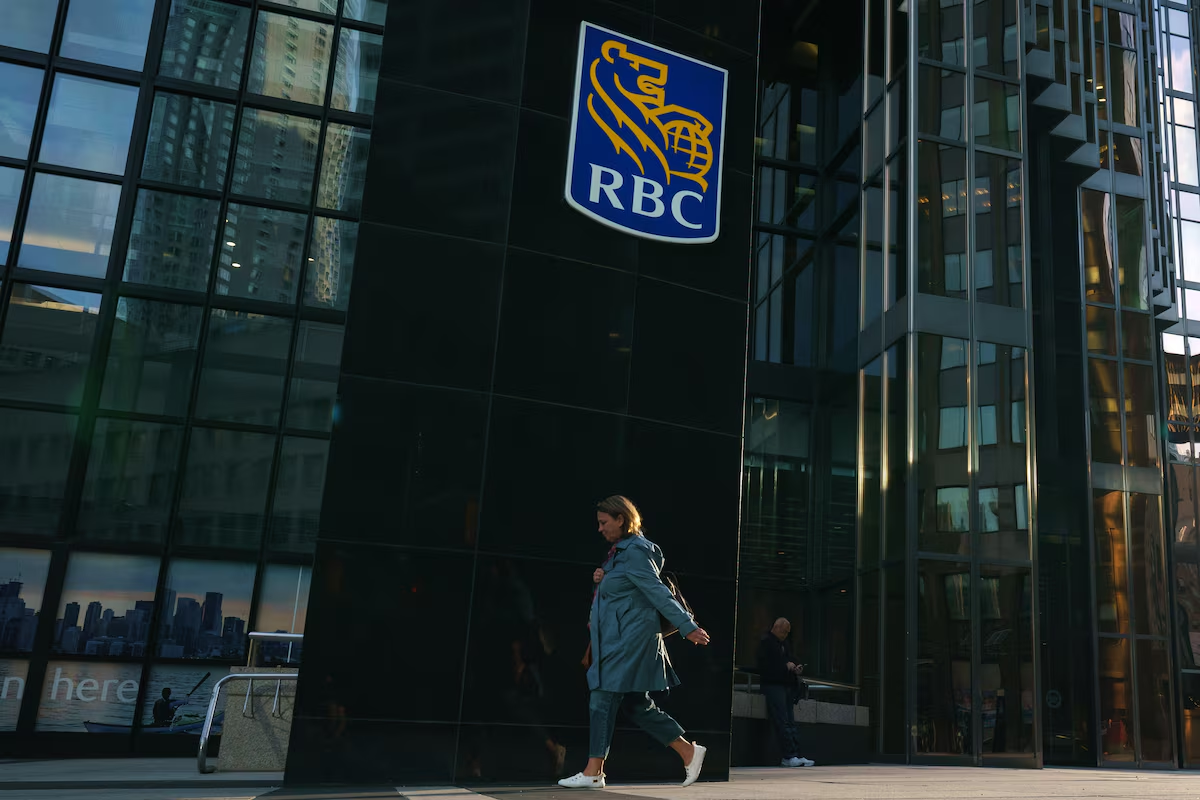
An RBC spokesman says job cuts and a unit restructuring are not a result of the bank deprioritizing climate finance.Alex Lupul/The Canadian Press
Royal Bank of Canada RY-T has cut several climate-related finance and sustainability positions in a restructuring that will split that work between the finance department and a new public policy unit led from Washington, D.C.
Senior executives, including Jennifer Livingstone, vice-president of enterprise climate strategy; Sean Drygas, vice-president of sustainability strategy and performance; and Keith Robertson, vice-president of ESG risk and enterprise risk, are leaving the bank, three sources familiar with the cuts said.
RBC spokesperson Andrew Block confirmed the restructuring, but did not confirm the names of the executives. Seven employees in total are no longer with the bank.
Attempts to reach the executives through LinkedIn were not successful.
The Globe and Mail is not identifying the sources, as they are not authorized to speak publicly about the bank’s internal matters.
RBC and its big Canadian banking rivals have in recent years scaled back climate and sustainability-related initiatives launched in the early part of the decade amid an environmental, social and governance rush that has since waned.
But Mr. Block said the personnel changes are not a result of the bank deprioritizing climate finance, and instead are aimed at strengthening sustainability efforts across its business lines.
The bank’s sustainability reporting function, including risk management and corporate disclosure, has been moved to the finance department, and the climate team is operating under the newly created public policy group, led by Kirsten Sutton, the bank’s recently appointed Washington-based senior vice-president of global government affairs and public policy. Ms. Sutton was previously a senior lobbyist for the American Bankers Association.
“A lot of our specialists are embedded within the business and working much closer in that respect,” Mr. Block said. Climate and sustainability, meanwhile, will be core responsibilities for the public policy group that Ms. Sutton leads, he added.
RBC has also named Emily Head, its former associate general counsel, as its Toronto-based vice-president of public policy.
In 2021, RBC committed to making $500-billion in financing available within four years to help its corporate clients achieve net-zero emissions and a range of other environmental and social initiatives.
Ms. Livingstone was among the bank executives that announced the formation of RBC’s Climate Action Institute, which publishes annual reports gauging Canada’s efforts to achieve net-zero emissions by 2050. The institute is preparing to release its latest assessments, which show the effects of a reversal in climate policies by Ottawa and provincial governments.
But in 2025, RBC announced it had revoked many of its sustainable finance goals. It blamed legal uncertainty stemming from the federal government’s anti-greenwashing provisions as well as changing measurement practices. RBC said at the time it was considering changes to its overall approach to sustainable finance.
It also joined other Canadian banks early that year in withdrawing from a global coalition of financial institutions known as the Net-Zero Banking Alliance, which was formed to direct capital to meeting climate targets. They were among global institutions that feared political backlash, legal action and loss of business in the United States as President Donald Trump returned to the White House.
Richard Brooks, climate finance director at environmental group Stand.earth, pointed out that RBC is the top Canadian lender to the oil and gas industry, and said the bank’s changes signal a retreat from efforts to position the country as a global leader in financing the energy transition.
Mr. Block rejected that notion, arguing the restructuring is intended to drive sustainability initiatives by placing experts throughout the institution.