
In the 2024 B.C. provincial election, almost a quarter of 93 ridings had a slim margin of victory where the difference between the elected candidate and the runner-up was less than five percentage points.
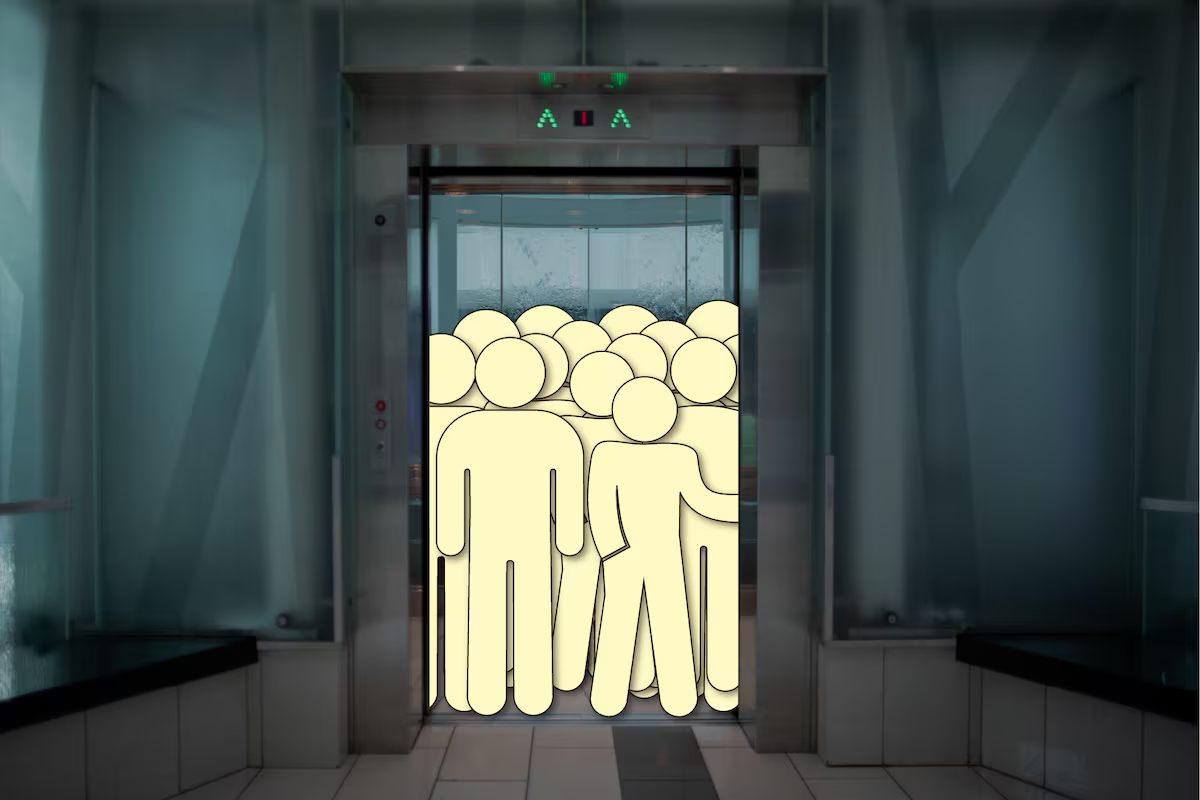
Some of those were down to a double-digit vote difference, such as in Surrey-Guildford, where the NDP eked out a win by 22 votes. Another way to think of that number: That’s about how many people would fit in an elevator at Guildford Town Centre.
Open this photo in gallery:
Photo illustration The Globe and Mail. Source photo: Justine Beaulieu-Poudrier/The Globe and Mail
When margins are slim, every vote counts, but not every eligible vote gets cast. In the past decade, B.C. voter turnout in provincial elections has consistently hovered in the mid-50s to low 60s, which means votes are left on the table. Elections BC’s preliminary numbers show advance voting has gone down this year compared with 2024: 891,348 from 951,812.
Even the turnout from last week’s municipal elections – higher than recent years in cities such as Vancouver, Surrey and Burnaby – showed that the majority of eligible voters didn’t go to the polls.
“It’s striking that there is this enormous potential reserve of voters who if they were mobilized could conceivably make a difference at the margin,” says Richard Johnston, a professor emeritus in political science at University of British Columbia, Vancouver. But he says that part of the electorate is hard to crack.
Many of those close calls two years ago are still races to watch for 2026, where the winner and runner-up candidates are running again. Here’s an illustrated look at how tight the race was last time using everyday examples within, or close to, their respective ridings.
Explainer: What to know about the parties, leaders and platforms
Our experts answer your questions about the B.C. provincial election
Kelowna Centre
Past election:
Conservative Kristina Loewen won over NDP Loyal Wooldridge by a margin of 0.16 percentage points.
That was 40 votes – roughly the same number of riders of a half-full Kelowna Regional Transit bus.
Open this photo in gallery:
Illustration by The Globe and Mail. Source photo: Creative Commons
What to expect:
Kelowna Centre is one of these tight races that are in ridings newly created in 2024 in response to population growth in those areas, as part of the latest electoral district boundary redrawing that happens after every other election.
This downtown riding is focused on the urban core, and will see a rematch of Ms. Loewen, who worked in real estate, and Mr. Wooldridge, a former city councillor. Also in the mix is OneBC candidate Bill Desrosiers, who works at a heavy-equipment rental company.
Surrey-Panorama
Past election:
Conservative Bryan Tepper beat NDP incumbent Jinny Sims by a margin of 1.49 percentage points.
That was 263 votes, roughly the same number of riders of two full cars on the Expo Line SkyTrain.
Open this photo in gallery:
Illustration by The Globe and Mail. Source photo: Justine Beaulieu-Poudrier/The Globe and Mail
What to expect:
Surrey is one of the fastest growing municipalities in the province, and its 10 ridings are liable to swing. Surrey-Panorama used to be a BC Liberal seat before Ms. Sims won in 2017. Previously an MP and head of the BC Teachers’ Federation, Ms. Sims is again running against Mr. Tepper, a former RCMP officer. Rounding out the candidates are CentreBC’s Manav Manro, a businessman, and Green’s Nolen Scott, who works in film.
Surrey City Centre
Past election:
NDP incumbent Amna Shah edged Conservative Zeeshan Wahla by a margin of 1.61 percentage points.
That was 232 votes, roughly the same number of riders of two full cars on the Expo Line SkyTrain.
What to expect:
For this downtown constituency newly redrawn in 2024, it’ll be a rematch between Ms. Shah and Mr. Wahla, along with Raman Sharma and Oliver Wildfong, candidates from the newly formed parties CentreBC and OneBC, respectively.
Columbia River-Revelstoke
Past election:
Conservative Scott McInnis won over the NDP’s Andrea Dunlop by a margin of 3.66 percentage points.
That was 670 votes, a little under the full capacity of the hot pool at Radium Hot Springs.
Open this photo in gallery:
Illustration by The Globe and Mail. Source photo: Todd Korol/The Globe and Mail
What to expect:
It would’ve been a rematch of the same three candidates from the past election except the Green’s Calvin Beauchesne opted to run for Golden City Council (and was elected.) Instead, facing off Mr. McInnis and Ms. Dunlop for the Greens will be Rana Nelson. All three are former teachers.
Langley-Willowbrook
Past election:
Conservative Jody Toor triumphed over the NDP’s Andrew Mercier by a margin of 3.81 percentage points.
That was 867 votes, about the number of patrons in the Sections P-N at a Vancouver Giants hockey game at the Langley Events Centre.
Open this photo in gallery:
Illustration by The Globe and Mail. Source photo: Justine Beaulieu-Poudrier/The Globe and Mail
What to expect:
Langley-Willowbrook used to be part of a larger electoral district called Langley, which was held by BC Liberal Mary Polak for more than a decade. Mr. Mercier defeated her in 2020. When the district boundaries were redrawn, and Langley-Willowbrook was contested for the first time, Mr. Mercier lost to Ms. Toor. Both are running again, along with Shubham Joshi, a OneBC candidate, and Anisha Sandhu of the Greens.