
Open this photo in gallery:
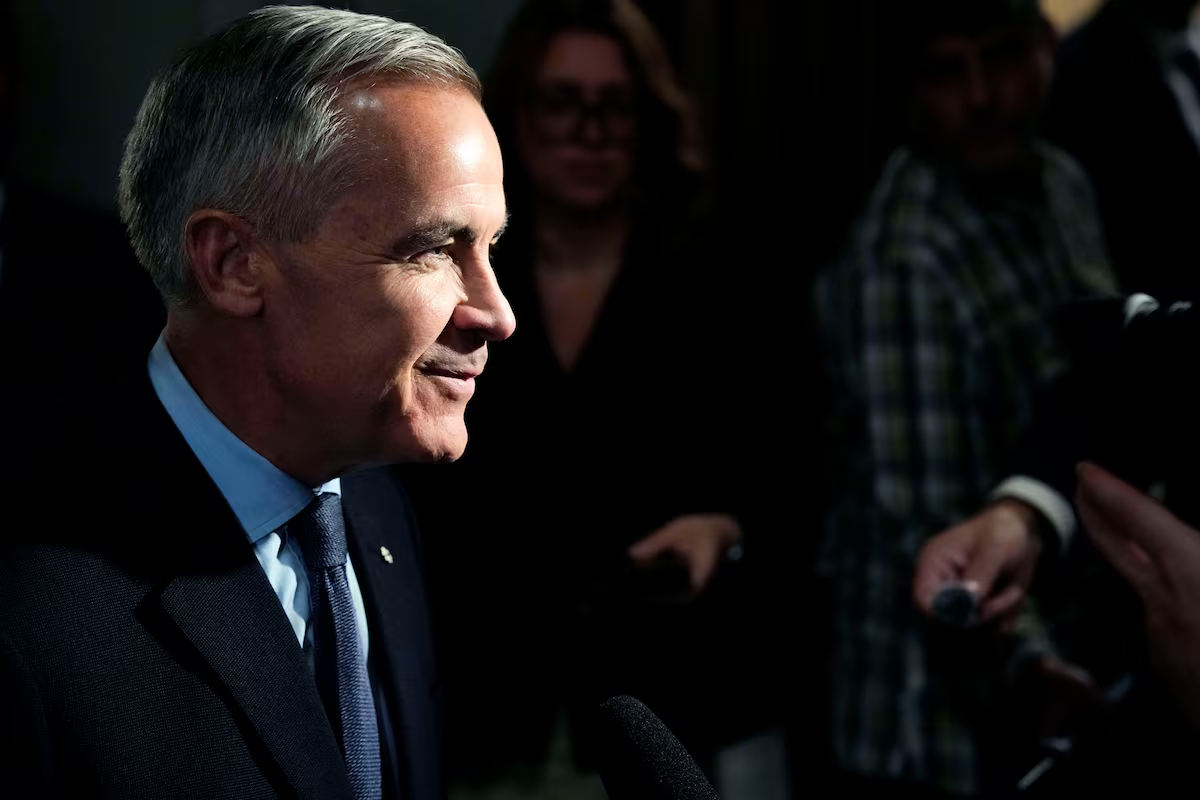
‘Where we can find solutions that work for Canadians, we should find those solutions that work for Canadians,’ Prime Minister Mark Carney told reporters Tuesday.Justin Tang/The Canadian Press
Prime Minister Mark Carney hailed the results of the Alberta referendum on separation as great for Canada, saying the federal government is ready to forge ahead in its work with the province in the spirit of co-operative federalism.
But despite Albertans soundly rejecting the idea of splintering off from the country, the results on the other nine questions put before voters point to continued tension in federal-provincial relations that Ottawa will now be under pressure to address.
Though ballots are still being counted, Albertans appear largely in favour of having more control over immigration and reopening the Constitution to abolish the Senate, grant provinces more powers over judicial selection and prioritize provincial rights.
Five takeaways from Alberta’s separation referendum
Mr. Carney told reporters Tuesday that the government takes note of those results, but that making changes doesn’t necessarily mean starting with a sweeping overhaul of Canada’s foundational power-sharing agreement.
“Constitutional change is difficult. It’s long,” he said.
“We have an amending formula generated originally out of Alberta, and where we can find solutions that work for Canadians, we should find those solutions that work for Canadians.”
Mr. Carney pointed to the steps Ottawa has already taken to curb immigration into Canada in recent years.
He said what will happen next does need to be dealt with in co-operation with the provinces, something he called very much in the spirit of one of the referendum questions.
By law, the federal government must table an updated immigration levels plan by Nov. 1 each year.
Open this photo in gallery:
Conservative Leader Pierre Poilievre speaks to the media in Calgary on Tuesday after the Alberta referendum.Jeff McIntosh/The Canadian Press
Conservative Leader Pierre Poilievre accused the Carney Liberals of misleading Canadians about the state of the immigration system.
He said he supports those Albertans who have voted to take more control over the system, including changing how social and economic supports are provided to newcomers.
While both Mr. Poilievre and Mr. Carney campaigned in Alberta against separation, the Conservative leader said it was “inappropriate” for the Prime Minister to tell Albertans to vote “no” to the referendum questions on immigration.
“For the Prime Minister to suggest that Albertans vote in favour of continued mass, unvetted, out-of-control immigration was a mistake,” he told reporters at a news conference in Calgary.
The Conservative Leader – who represents an Alberta riding – said it also concerns him that in the last three weeks, a quarter of Albertans and a third of Quebeckers chose a separatist option for their province.
Earlier in October, the separatist Parti Québécois won a minority government.
“I think the message is it’s time to deliver real results in people’s real lives,” he said.
Mr. Poilievre declined to offer his thoughts on the other questions put to Albertans and whether he’d be open to constitutional reform if his party formed government.
Opinion: The pro-Canada side won in Alberta. That’s not an endorsement of the status quo
Frustration from the provinces over Senate and judicial appointments is long-standing.
Alberta has held non-binding elections for senators from that province for close to 40 years, but only five elected senators have actually gone on to be appointed to the Senate.
While there are currently 13 vacancies in that chamber, none are in Alberta.
On judicial reform, earlier this year, Alberta Premier Danielle Smith, Saskatchewan Premier Scott Moe, Ontario Premier Doug Ford, and Quebec Premier François Legault wrote to Mr. Carney asking for more control over how provincial judges are appointed.
But Federal Justice Minister Sean Fraser rejected their demands, saying the current appointment process takes into account input from provincial governments and the local legal community.