
Open this photo in gallery:
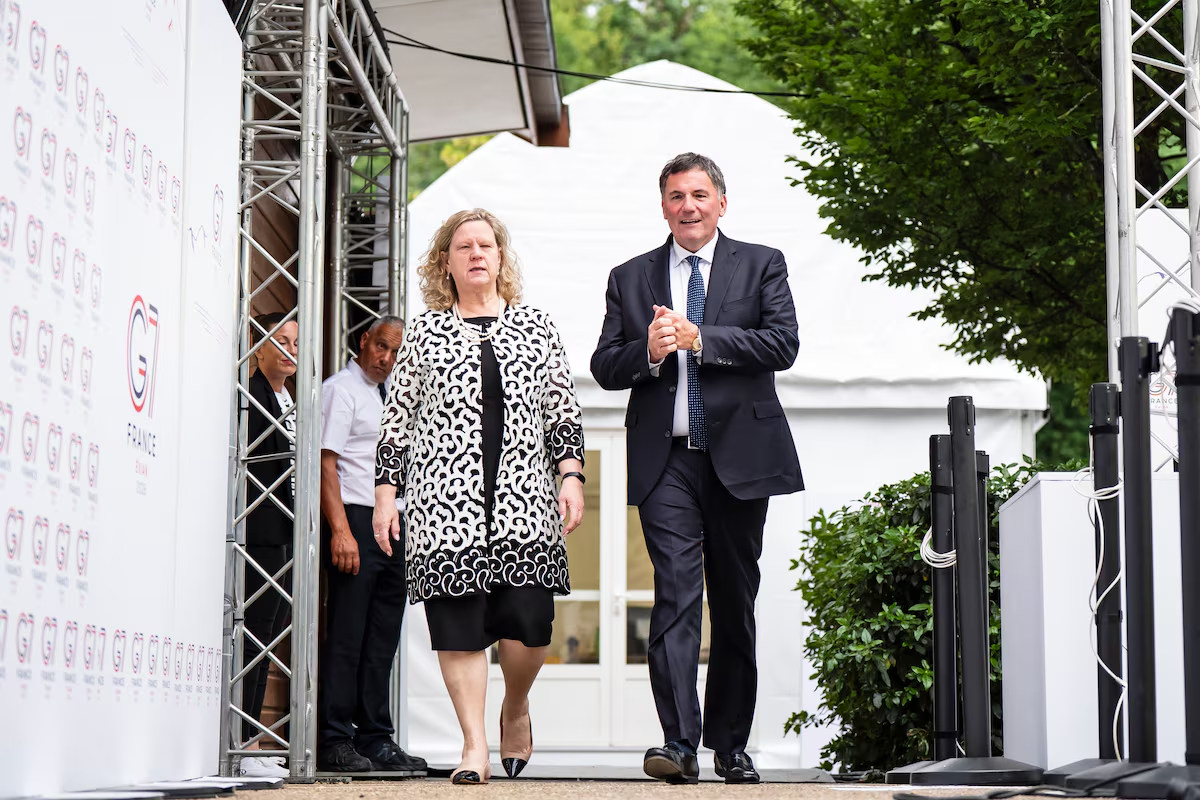
Canada-U.S. Trade Minister Dominic LeBlanc, right, and chief trade negotiator Janice Charette take part in a press conference during the G7 summit in Evian-les-Bains, France, on June 16.Christopher Katsarov/The Canadian Press
Intergovernmental Affairs Minister Dominic LeBlanc and chief trade negotiator Janice Charette are back in Washington as the clock ticks down on U.S. President Donald Trump’s threat to hit Canada with more tariffs in a little over two weeks’ time.
Mr. LeBlanc and Ms. Charette, who were in the U.S. capital last week for talks with Mr. Trump’s trade chief, Jamieson Greer, returned again on Tuesday, his office said.
Mr. LeBlanc’s schedule includes meeting with U.S. industry groups that support the existing Canada-U.S. free-trade deal, as well as sitting down with senators, one Canadian official told The Globe and Mail. It was unclear whether Mr. LeBlanc would meet with Mr. Greer, Commerce Secretary Howard Lutnick or any other members of the Trump administration. The Globe granted the official anonymity to learn details of Mr. LeBlanc’s meetings.
Rallying support for free trade among business groups and legislators has long been a favoured Canadian tactic in dealing with Mr. Trump. But it has not appeared to work as well during the U.S. President’s second term as in his first, as the White House has become more aggressive on its protectionist trade agenda and more traditional free-trade-supporting Republicans have been sidelined within the party.
Editorial: The accidental tourist upside of U.S. tariffs
Mr. Trump cranked up the pressure on Canada on July 20 when he announced a new suite of tariffs that would hit US$20-billion worth of exports with 50 per cent levies. The tariffs, which would take effect on Aug. 19, would be imposed under Section 338 of the Smoot-Hawley Tariff Act of 1930. They would hit everything from alcohol to dairy products to electronics.
Mr. LeBlanc and Ms. Charette have been working toward a deal with Mr. Greer but what progress, if any, has been made has so far been opaque.
Prime Minister Mark Carney last year touted a plan to make a master deal with Mr. Trump covering trade, defence and national security. But those talks ended in October after Mr. Trump became irate over an Ontario government anti-tariff ad in the U.S. The two sides resumed discussions this past spring.
Canada is currently subject to Mr. Trump’s tariffs on steel, aluminum and autos, as well as a baseline tariff on all goods traded outside the U.S.-Mexico-Canada Agreement.