
Listen to this article
Estimated 4 minutes
The audio version of this article is generated by AI-based technology. Mispronunciations can occur. We are working with our partners to continually review and improve the results.
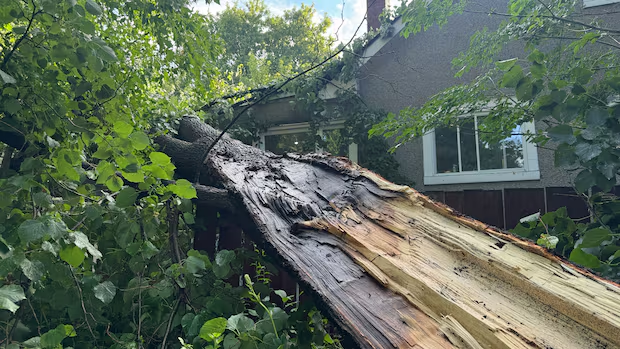
The Ottawa-Gatineau area is cleaning up from massive, powerful thunderstorms that struck the afternoon and evening of Canada Day — with a punishing heat wave and a risk of more storms persisting.
Environment Canada issued a severe thunderstorm watch for most of the region Thursday, warning about the possibility of wind, heavy rain, lightning and hail.
By the evening, only an orange warning for heat remained in place.
What to do during a tornado alert
Watches mean severe weather is possible. Warnings mean it’s either happening or likely about to happen.
It was the third straight day with a thunderstorm alert in the area.
Wednesday’s aftermath
Wednesday’s storm damage, including flooding, cancelled national holiday celebrations in the capital.
Ottawa’s international airport weather station reported 99 millimetres of rain in fewer than four hours as of 5:45 p.m. Wednesday.
Environment Canada reported a total of 118 millimetres in Ottawa on July 1, making it one of the rainiest days in July on record.
WATCH | Wild July 1 weather:
Extreme weather, including flooding, wipes out Canada Day activities in Ottawa
Evening Canada Day activities in Ottawa were cancelled, including the fireworks display, due to extreme weather, as heavy rain and thunderstorms caused flooding and power outages. The CBC’s Emma Weller reports.
At mid-day Thursday, about 41,000 local customers were without power. The hardest-hit areas included Vallée-de-la-Gatineau, Tweed and Vanier.
Hydro Ottawa said Thursday submerged generators are causing delays in restoring powers in some neighbourhoods.
CEO Bryce Conrad said severe flooding near the Queensway Carleton Hospital had left over 1,000 customers without power.
Ottawa Mayor Mark Sutcliffe called the storm “one of the worst flooding events in our city in the last 25 years.”
At an afternoon news conference, Sutcliffe said about 5,300 homes are still without power. Half of those homes will likely see power restored by the end of the day, he added.
Ottawa’s Ben Franklin Place service hub, including the library branch, is closed indefinitely due to flooding.
WATCH | The mayor gives an update Thursday morning:
Ottawa mayor on extreme Canada Day weather
Ottawa Mayor Mark Sutcliffe spoke to Ottawa Morning about Wednesday’s heat, thunderstorms and flooding and the resulting cleanup efforts.
Cornerstone’s emergency women’s shelter on Carling Avenue, has also been impacted. The shelter, which provides beds to 165 women and gender-diverse people, lost power and experienced flooding.
Amber Bramer, the shelter’s director of development and communications, said two residents fell after water entered the building’s kitchen and basement. Another resident with a mobility issue was displaced because staff worried about a loss of power shutting down the elevator.
Humidity into the 40s
The outages come during a heat warning that was expected to peak Thursday with humidity making it feel like the 40s in many areas.
Ottawa’s all-time humidex record is 47, felt on Canada Day 2018.
The humidex peaked at 43 on Wednesday before the storms.
The dangerously hot weather is expected to last into the weekend in much of eastern Ontario, including Ottawa, Kingston and Cornwall.
WATCH | How people in Ottawa are coping with the heat wave:
How Ottawans are staying cool as heat wave peaks
As Ottawa’s first heat wave of the summer reaches peak temperatures, the CBC’s Cameron Mahler checked in with people on how they’re staying cool.
Gatineau has extended hours at some libraries, beaches and pools during the heat wave.
Ottawa Public Health (OPH) has an interactive list of places to cool off and advice for keeping cool in a home without power, such as closing blinds on the sunny side of a home, spending time in lower levels of a home and taking frequent cool showers or baths.
Other municipalities such as Kingston and Brockville have lists of places to cool down.
OPH and the Ottawa Riverkeeper each recommend against swimming in natural waters such as rivers for 24 to 48 hours after heavy rains because they can wash contaminants into the water.