
Open this photo in gallery:
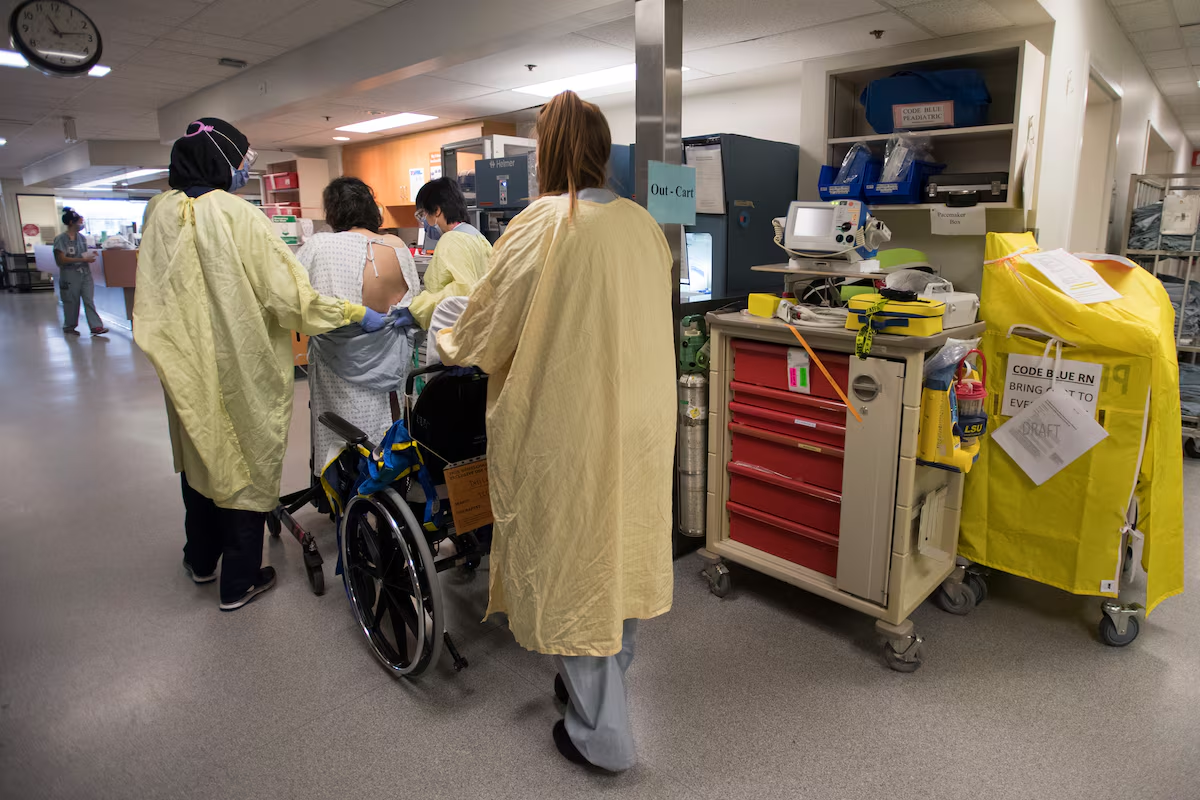
Nurses help a patient walk in the COVID-19 intensive care unit at St. Paul’s hospital in downtown Vancouver in 2020. The B.C. Nurses’ Union represents 60,000 nurses.JONATHAN HAYWARD/The Canadian Press
Members of the union representing 60,000 British Columbia nurses have voted to reject a tentative contract deal in what the union said reflects “growing frustration” with the pressures facing the nursing profession.
The B.C. Nurses’ Union said in a statement issued Friday that members voted 67 per cent to reject the agreement that had been reached between its bargaining committee and the provincial health employer last month.
“The result sends a powerful message from nurses across British Columbia,” the statement said.
“While the tentative agreement included important gains, the majority of nurses — who are currently carrying the weight of increased pressures on the health-care system — want the government and health employers to recognize the true value of their work.”
The nurses were offered a 12 per cent wage increase over four years and other improved benefits, although the union said before the vote that details of the agreement would be made public after it was ratified.
Health Minister Josie Osborne said they hoped for a different outcome, adding the bargaining process is at a sensitive stage.
“We respect the need for both parties to have the time and space required to continue their discussions,” she said.
BCNU president Adriane Gear said the vote was about more than the terms of a collective agreement, but is about having the opportunity to make their voices heard and express their frustration and resolve for change.
“Nurses care deeply about their patients and their profession, but they are also telling us that the conditions they are working under cannot continue,” Gear said in the statement.
Before the union announced a deal had been reached last month, nurses voted 98.2 per cent in favour of strike action.
The statement said the historic level of engagement seen throughout this round of bargaining comes at a time when nurses face enormous pressures in their workplaces.
“The public sees crowded emergency departments, long waits for care and the challenges facing our health-care system,” Gear said in the statement.
“Nurses experience those pressures every shift. This vote reflects the frustration many nurses feel about the conditions they are working in and the urgent need for continued action to support the profession and strengthen patient care.”
It said the union’s bargaining association will be engaging with its members to determine what the next steps will be in the bargaining process.