
Open this photo in gallery:
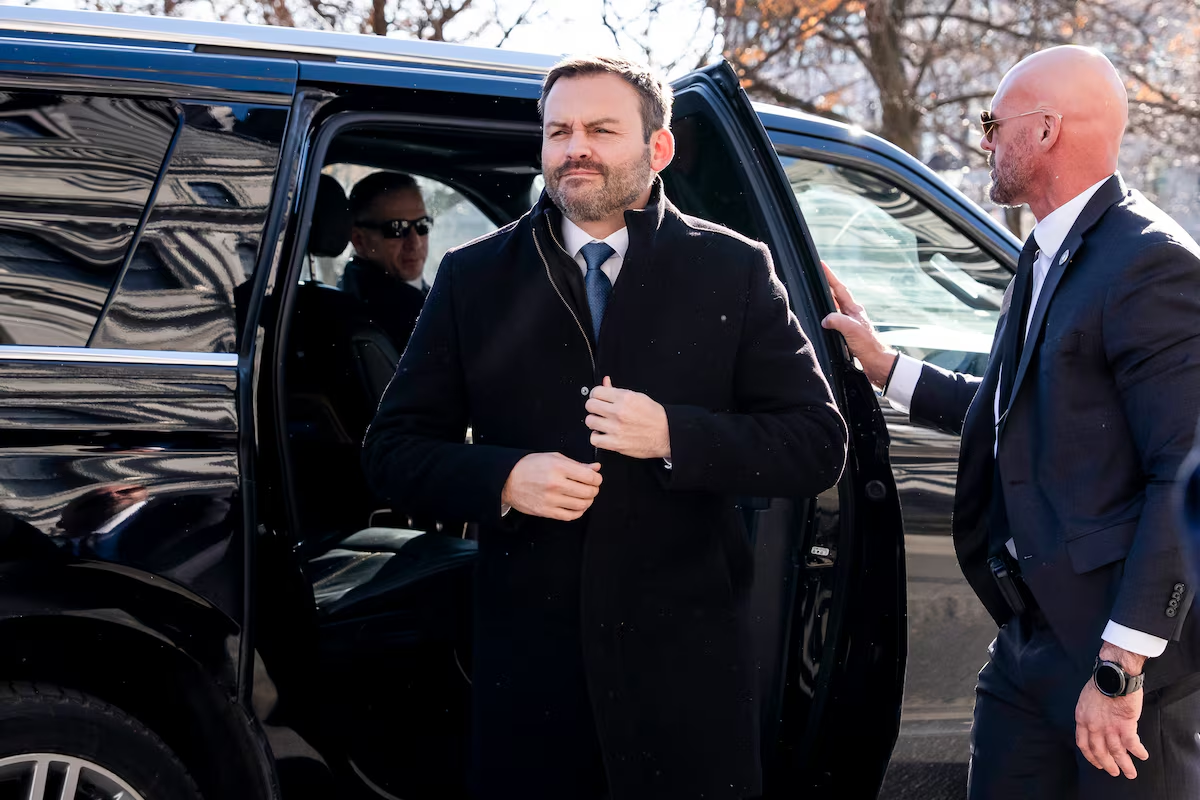
Quebec Premier Paul St-Pierre Plamondon speaks during a news conference on Nov. 24. In a short statement on Saturday, he called on the Manitoba Premier to retract his remarks on Bill 21.Jacques Boissinot/The Canadian Press
Quebec Premier Paul St-Pierre Plamondon called on Manitoba Premier Wab Kinew on Saturday to retract his remarks describing Quebec’s secularism law that the Supreme Court of Canada largely upheld this week as “legislative racism.”
In a short statement, Mr. St-Pierre Plamondon said the Supreme Court not only upheld the validity of Quebec’s secularism, it also affirmed the legitimacy of the province’s distinct approach to the issue.
“Mr. Kinew should be ashamed of his disrespectful and intolerant remarks about Quebec,” wrote Mr. St-Pierre Plamondon in French. “I call on him to retract them.”
On Friday, in a landmark ruling, Supreme Court judges affirmed Quebec’s use of the Charter’s notwithstanding clause to enact its bill barring some public-sector workers from wearing religious symbols. While the law is considered controversial in many parts of Canada, it is widely seen by francophones as an important expression of values in la belle province.
The top court also decided, however, to break new legal ground by allowing judges at the superior trial court level to make non-binding rulings on alleged Charter violations, even if governments shield those laws with the notwithstanding clause.
Opinion: The Supreme Court’s ruling on Bill 21 will not end the debate over the notwithstanding clause
Hours after the Supreme Court ruling was released, Mr. Kinew, whose government was one of 51 intervenors in the case, called Quebec’s law discriminatory.
“Bill 21, let’s just be honest here – this was designed to discriminate against Muslims primarily, but also Sikhs and other religious minorities,” the NDP Premier said, while attending an unrelated RCMP event in Winnipeg.
“The Canada that I want to live in should have an RCMP officer free to wear a turban. Should have a school teacher, if she chooses to wear a hijab, to be able to do so. A Hutterite woman should be able to wear a head covering. You should be able to wear a cross if you so choose. And yes, your Premier,” he added, speaking about himself as Canada’s first First Nations premier, “should be able to have long hair. These are all cultural symbols that would be banned by Bill 21, which I think is legislative racism.”
Open this photo in gallery:
A small group gathers to protest Bill 21 at the University of Montreal on Friday after the Supreme Court of Canada delivered its ruling in favour of the bill.Adil Boukind/The Globe and Mail
Mr. Kinew urged Canadians who, like him, disagreed with the decision to bring their “outrage” at superior courts by requesting rulings to battle governments when they believe their Charter rights are being denied. Beyond Quebec, he also accused conservative-led governments in Alberta, Saskatchewan and Ontario of such “discriminatory” actions by their usage of the notwithstanding clause.
Those rulings will give “the voting public knowledge, which is power,” he said: “And then, hopefully, you, the good people of Canada, will vote governments like that out of office.”
The clash of words between Manitoba and Quebec premiers is a harbinger of the constitutional tensions that political and legal observers have said they expect to stem from Friday’s judgment.
When Canada’s territorial and provincial leaders convene in Toronto on Dec. 7, there is expected to be quite a bit of tension in the room because of their differing opinions on Bill 21, Mr. Kinew said. “We disagree significantly,” he told The Globe and Mail, adding that it includes disagreements with his friend, Ontario Premier Doug Ford.
“Doug, I get along with him; other premiers, whatever. But if you in the Prairie Provinces have to target gay people in order to get elected, quit. Give it up. We don’t need you in public,” he said in reference to Alberta and Saskatchewan’s legislation related to gender and sexuality.
“If you in Quebec have to target Muslims and Sikhs in order to win office, get out of here.”
Ontario, Saskatchewan and Alberta premiers have not yet commented on what Mr. Kinew said, though they have issued statements strongly supporting the notwithstanding clause.