
Open this photo in gallery:
Telus signage is seen on a Telus office tower in Toronto, on Monday after Quebecor made public its $31-billion bid to acquire Telus.Cole Burston/The Globe and Mail
Getting caught up on a week that got away? Here’s your weekly digest of The Globe’s most essential business and investing stories, with insights and analysis on the biggest headlines, stock tips, personal finance strategies and more.
Quebecor makes $31-billion bid to acquire Telus
Open this photo in gallery:
The family of Quebecor CEO Pierre Karl Péladeau, shown in Toronto on Monday, controls the company through a dual-share structure that would continue to exist if it acquired Telus.Cole Burston/The Globe and Mail
Earlier this week, Quebecor Inc. made public a proposal to buy Telus Corp. for about $31-billion in cash and shares. Essentially, the No. 4 competitor in the country’s telecom industry is proposing to buy the No. 3 player – and the deal, if it succeeds, would remake the entire industry.
The deal carries significant regulatory, financial and governance risks. A successful merger would reduce the country’s four major telecom players to just three. So it would require approval from Canada’s competition watchdog, several government agencies and federal Industry Minister Mélanie Joly – who will be the final arbiter.
Business reporters Irene Galea and Andrew Willis met the two CEOs Monday and pressed for details on key issues. Here’s what they told us.
Meanwhile, Bell Canada parent company BCE Inc. has held preliminary discussions with Telus and hired financial and legal advisers as it explores its options following Quebecor’s takeover proposal. BCE would weigh what concessions Ottawa might demand before making a formal offer.
Anthropic makes record US$81-billion IPO debut
Open this photo in gallery:
Anthropic CEO Dario Amodei is displayed on a screen at the Nasdaq Market site on Thursday. The AI lab raised a record US$81.3-billion in its IPO, plus a further US$26-billion in a private placement.Mike Segar/Reuters
Anthropic PBC made its debut on the stock market on Thursday, becoming one of the world’s most valuable public companies. It raised a record US$81.3-billion in its initial public offering, plus a further US$26-billion in a private placement of shares. It is the first major AI lab to tap public markets to help fund vast capital expenditures to build, train and run advanced models.
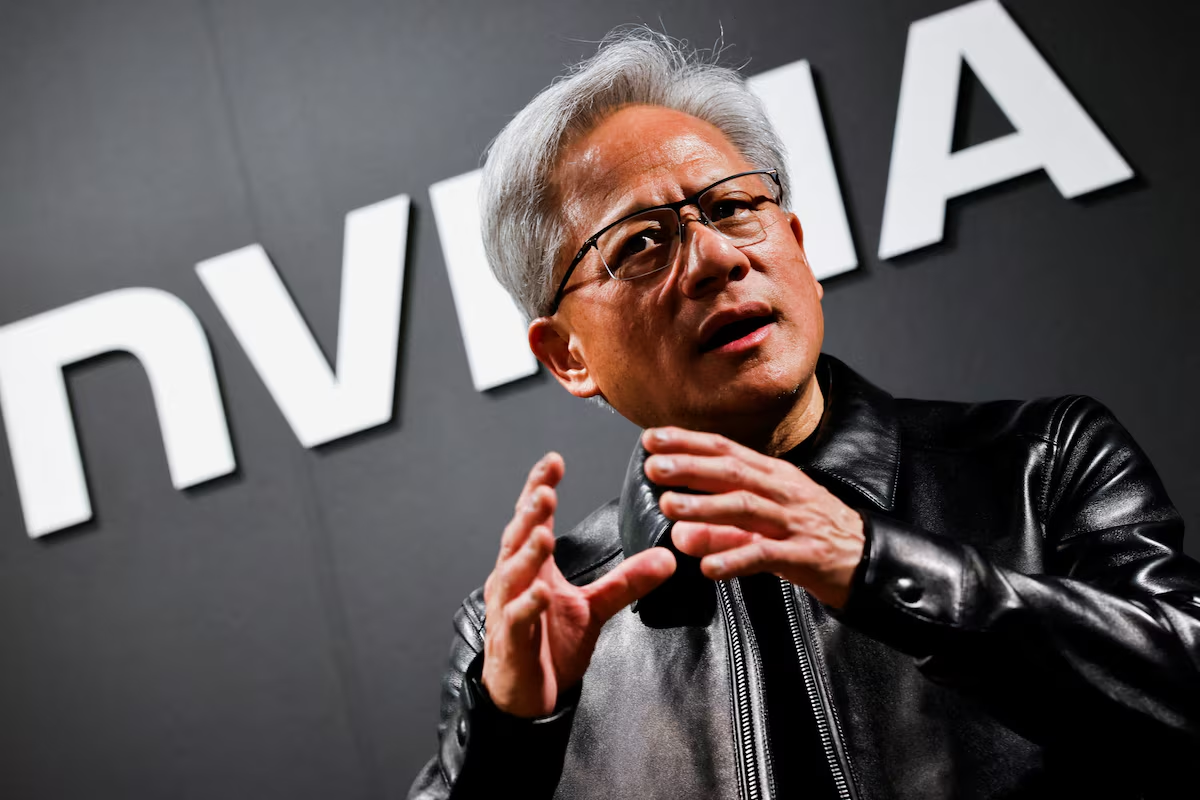
The public offering has been treated as a bellwether for the health of the AI sector, especially after investors were rattled by Nvidia chief executive Jensen Huang’s resignation last week.
Meanwhile, two of Canada’s largest pension funds could stand to reap large gains on investments in Anthropic. The country’s largest pension fund, the Canada Pension Plan Investment Board, earlier this year disclosed a US$50-million investment in Anthropic. Ontario Teachers’ Pension Plan also invested in the same fundraising round. Anthropic’s Nasdaq trading debut will also usher in a parade of new investment offerings for Canadian investors.
As of Friday, the S&P 500 and the Dow were on track for a correction as Anthropic shares retreated after a blockbuster debut, dashing hopes that the listing would stabilize an AI trade already shaken by valuation concerns.
Search for new Bank of Canada governor begins as Macklem confirms he won’t seek second term
Open this photo in gallery:
BoC Governor Tiff Macklem arrives to a Senate banking committee meeting in Ottawa. He has confirmed he will not seek a second term as head of Canada’s central bank.Justin Tang/The Canadian Press
On Monday, Bank of Canada Governor Tiff Macklem confirmed that he will not be seeking a second term when his seven-year appointment ends next June.
The field of candidates to replace him is expected to include the top economist at BlackRock Inc., several current and former central bankers, and at least two chief economists at the Big Six banks. The odds-on favourite is Jean Boivin, head of the BlackRock Investment Institute, the macroeconomic arm of the world’s largest asset manager.
The central bank’s board of directors has formed a search committee to select the next governor and the recruitment process is expected to be completed by spring 2027, the Bank of Canada said on Monday. While the governor is technically chosen by the board, in practice the final decision will rest with Prime Minister Mark Carney and Finance Minister François-Philippe Champagne.
Ford’s Oakville assembly plant reopens after more than two years, defying trade war
Open this photo in gallery:
Ford vehicles are parked outside the Ford Oakville Assembly Complex in Oakville, Ont.Sammy Kogan/The Globe and Mail
Ford Motor Co. has reopened its assembly plant in Oakville, Ont. to make heavy-duty pickup trucks, after more than two years. About 2,000 people have returned to work at the plant, which makes Ford’s F-Series Super range of large pickups for Canadian, U.S. and global markets.
The plant, which used to make the Ford Edge, closed in 2024 to be retooled for an electric car. Ford scrapped that plan amid slowing demand for EVs and began work to make the trucks, including the F-250, F-350 and F-450, trucks that are used in construction, agriculture and other commercial uses. The plant’s reopening is a rare bit of good news for parts suppliers that have been rocked by financial crises, market shocks, a pandemic and now trade war.
Canadian businesses are betting on AI to boost productivity. These chokepoints are getting in the way
Open this photo in gallery:
While the use of AI is accelerating, integrating the technology into workplaces is proving to be a challenge for employers.Illustration by Pete Ryan
Canadian businesses have spent much of the last 18 months racing to adopt AI into their operations, all while the technology itself continues to rapidly develop. The Carney government too, is pushing employers to embrace the technology. The official goal, laid out in Ottawa’s AI for All strategy, is that AI adoption across businesses will rise from 12 per cent to 60 per cent by 2034.
But integrating AI into workplaces with different departments, personalities and hierarchies has not been smooth sailing, according to conversations with numerous employers, managers and workers in Canada. While use of the technology is accelerating, major chokepoints are emerging, threatening to derail the pace of adoption and upend goals companies have set for themselves.
In some workplaces, the AI rollout has been chaotic, with the push to use the technology exhausting workers and frustrating managers. Future of Work reporter Vanmala Subramaniam reports on the AI bottleneck, the challenges of adoption, and the stumbling blocks companies find themselves having to navigate.
Get the questions from the weekly business and investing news quiz, and prepare for the week ahead with The Globe’s investing calendar.