
Open this photo in gallery:
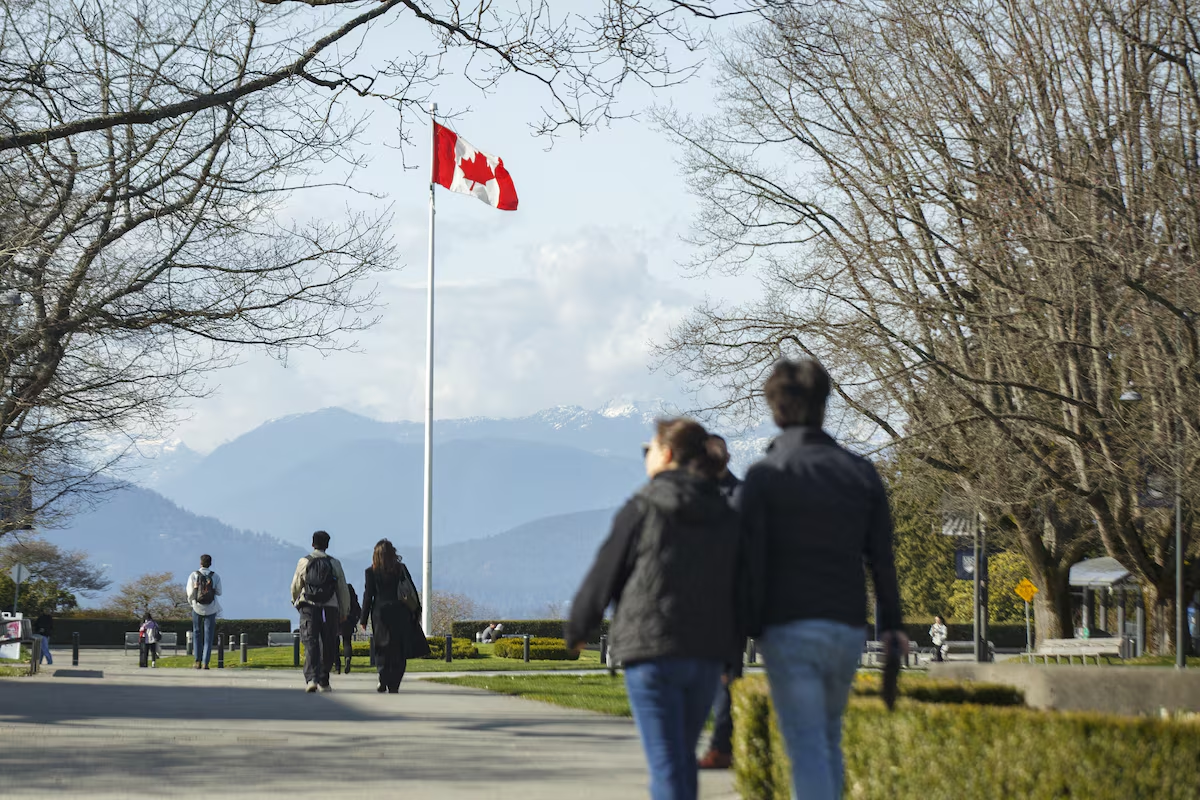
Ottawa’s new one-time measure could raise total permanent-resident admissions in 2027 to more than 650,000 people.Isabella Falsetti/The Globe and Mail
In last week’s federal budget, Ottawa announced a one-time immigration measure that took policy-watchers by surprise: It plans to grant permanent residency to 200,000 temporary residents already in Canada.
The new spots would be in addition to the 380,000 spots previously allocated for permanent residents in 2026, an unexpected move given the Liberal government’s recent efforts to clamp down on immigration.
Ottawa’s immigration targets faced scrutiny between 2022 and 2024, when the government boosted immigration levels to address a pandemic-driven labour shortage. As a result, the share of the temporary-resident population surged to more than 7 per cent of the total population.
Since then, the government’s tone has been cautious – a series of policies were introduced in late 2024 to tighten immigration rules and place quotas on the number of international students and foreign workers entering the country.
Opinion: Mark Carney cranks up immigration again, while pretending not to
Ottawa drastically reduced the permanent-residency target from 500,000 in 2025 to this year’s 380,000, with the intention of keeping that target indefinitely. It also reduced its temporary-resident target, which includes the number of work and study permits it issues, from 673,650 in 2025 to 370,000 in 2026.
But last Thursday, Ottawa softened its approach. The new one-time measure could potentially raise total permanent-resident admissions in 2027 to more than 650,000 people.
This 650,000 figure adds the new 200,000 spots to the 380,000 permanent-residents target, plus an additional 82,000 spots left over from a similar measure last year.
The government had announced a one-time measure in 2025 to grant permanent status to 148,000 temporary residents, and has granted 66,000 people permanent residency so far.
Defending the new measure, Prime Minister Mark Carney told reporters at a press conference last Friday that those who will be granted permanent residency were previously “not permanent in terms of classification, but are effectively permanent residents, and we’re recognizing that.”
“It’s the right thing to do and … it’s within the context of a sustainable immigration system,” he said.
Critics say that the Carney government has reneged on its promise to control immigration, while proponents say it was the right decision from both economic and humanitarian perspectives.
In a press release one day after the budget, Conservative Party immigration critic Michelle Rempel Garner slammed the measure, accusing the Liberals of a “hidden mass immigration agenda” to enrich their “wealthy corporate friends.”
Parisa Mahboubi, an economist with the C.D. Howe Institute, said in an e-mail that the government’s decision to add 200,000 permanent resident transitions outside the headline target of 380,000 ends up masking how many people Canada will actually admit as permanent residents in 2027.
“Repeating one-time initiatives such as that also signals that temporary residents who arrive and stay will eventually receive permanent status, which undermines efforts to reduce the number of non-permanent residents,” she said.
But regardless of the one-time measure, Ottawa is still trying to reduce temporary-resident levels to 5 per cent of the total population by the end of 2027. It is currently at 6.7 per cent and the government has committed to a temporary-resident target of 370,000 admissions annually over the next three years. That’s far less than the 971,000 foreign workers and international students admitted at the peak of the immigration boom in 2023.
Ottawa’s stricter approach to immigration has made Canada a less attractive destination for overseas workers and international students. The 2026 temporary-resident target was 370,000, but as of the end of August, only 195,000 people had arrived, according to government data.
“What’s missing from the headlines is that less people are arriving in Canada. Far less than our immigration targets. And that is impacting population growth and economic growth,” said Syed Hussan, executive director for Migrant Workers Alliance for Change, a migrant advocacy organization.
Adam Hajji, director of the Immigration Council at the Canadian Chamber of Commerce, said there is a misconception that granting more permanent-resident cards to immigrants already working in Canada increases the number of immigrants in the country. “It does not. These are people who have lived here for years and made Canada their home.”
Opinion: The Carney government’s immigration targets are a fib and a dodge
The chamber spent much of this year lobbying Ottawa to loosen permanent-resident targets so that many work-permit holders already in the Canadian work force could stay here long term, and businesses could have certainty about their employees’ work status.
“We were very appreciative of the government’s move to grant 200,000 people permanent status. We had been getting numerous calls from businesses in our network saying they were losing workers due to the immigration crackdown and could not find replacements,” Mr. Hajji added.
Two cohorts, each made up of 100,000 temporary residents, will be given priority for permanent residency through the new measure. A workers’ cohort will consist of those who applied for permanent residency through special immigration pathways such as the Start-up Visa program, Home Care Worker pilot programs, Atlantic Immigration program and the Agri-Food Pilot.
A humanitarian cohort will process all remaining applications in the Ukraine family-reunification pathway and the Hong Kong permanent-residents pathway. It will also prioritize permanent residency for spouses and children already living in Canada.
“Shrinking the PR target meant that people already in the country as temporary residents on work permits were either not going to get permanent resident status at all before their work permits expired, or had to wait much longer,” Mr. Hussan said. “Last Thursday’s announcement changed this situation for some people.”