
Open this photo in gallery:
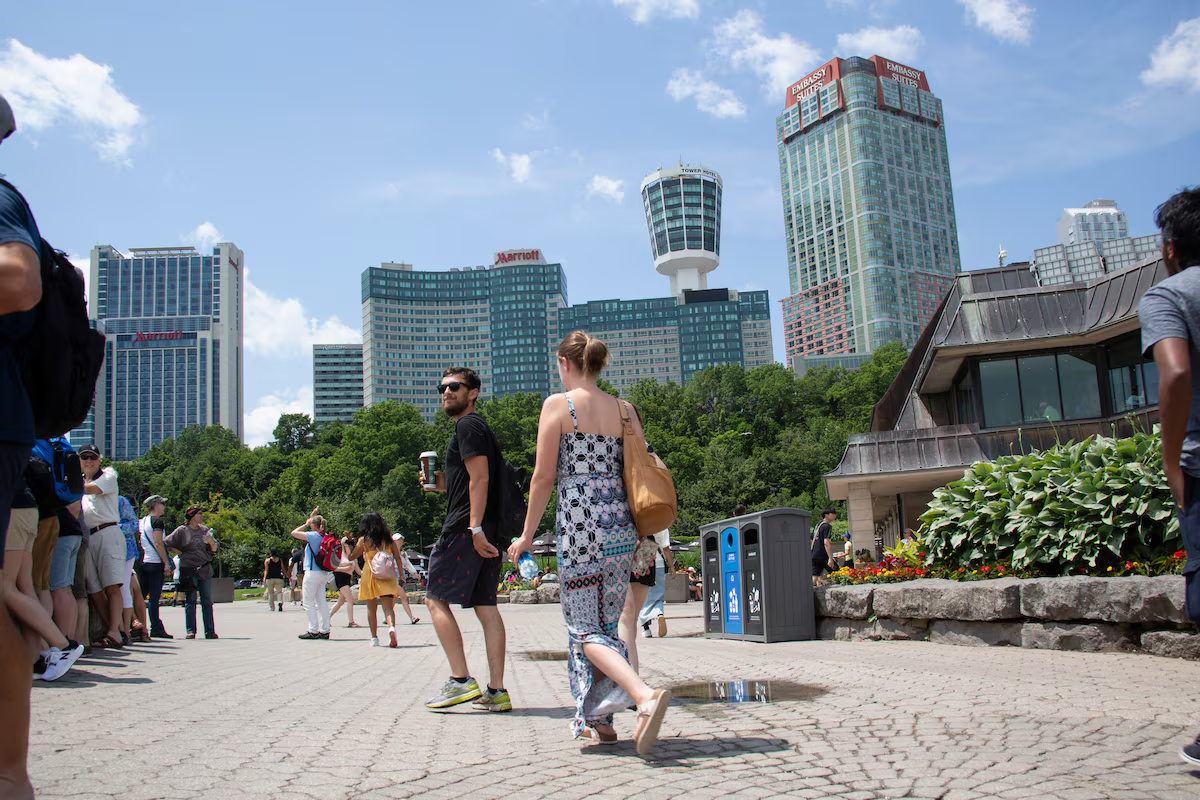
As part of its Destination Niagara strategy, the provincial government aims to attract 25 million annual visitors and double the region’s tourism to generate an additional $3-billion for Ontario’s GDP each year.Ralph Lauer/Reuters
The Ontario government is slashing the tax rate for gambling operators in Niagara as it issues a call for new investors, part of Premier Doug Ford’s plan to attract big-name casinos to the region.
The government, along with the Ontario Lottery and Gaming Corp., which manages gambling in the province, issued a “call for investment” on Wednesday, with the goal of raising $3-billion in direct investment from the sector, as well as an additional $600-million from the private sector over the next 20 years.
The announcement is part of Mr. Ford’s multibillion-dollar Destination Niagara strategy, a plan to boost the region’s profile as a prime tourist attraction, which the government says will lead to billions of dollars in growth for the provincial economy, as well as tens of thousands of jobs.
But it has also raised questions about the government’s priorities and added to more general concerns around the proliferation of online gambling, as well as the need for community consultation.
Ontario is asking “world-class gaming operators” to express interest in the region, which includes Niagara Falls and borders New York State, by Dec. 3. The government said it will then shortlist proponents who will be able to enter a competitive process to submit detailed proposals for new casino developments.
As part of the pitch, the province said it will introduce a standardized gambling tax rate of 9.75 per cent for Niagara operators, which is considered highly competitive with other jurisdictions in North America. The current tax rates, which vary by individual casinos, are not public, but two industry sources put them upward of 40 per cent. The Globe and Mail is not naming the sources as they are not authorized to speak publicly about internal matters.
Gambling-related ER visits have almost doubled since Ontario opened market to private companies, study finds
“New gaming investment will bring exciting attractions and experiences to the region, helping drive tourism, create good-paying jobs and support Niagara’s future as a world-class, year-round destination,” said Zee Hamid, Ontario’s Minister of Tourism, Culture and Gaming.
The government said the new market will be open to a maximum of three new operators, who will be required to make a minimum investment of $1.5-billion, with potential for further expansion after a 10-year fixed term.
In addition, each new casino operator will have to pay a $100-million entrance fee. The fee is intended to offset provincial revenue losses after the government ended MGE Niagara Entertainment Inc.’s exclusivity rights to operate casinos in the area earlier this summer.
MGE is a division of Mohegan Tribal Gaming Authority, a company based in Uncasville, Conn., that operates two Ontario properties, Casino Niagara and the Fallsview Casino. In the nine months ending June 30, the two casinos reported revenues of US$199-million.
In August, Mohegan chief operating officer Joseph Hasson said on a conference call that in exchange for giving up its exclusive rights in Niagara Falls, OLG pledged to make up any decrease in revenue at Mohegan’s Ontario properties caused by the opening of new casinos. Mr. Hasson declined to comment on how much the company could receive, but told analysts: “We are comfortable that our new commercial arrangement leaves us better off under all scenarios.”
Mohegan has operated the two Niagara Falls properties since 2019 under a 21-year contract with OLG.
NDP MPP Wayne Gates, who represents Niagara Falls in the legislature, said he’ll always support investment that creates good-paying jobs in the region.
“But I’ll be honest with you, I have serious questions about this announcement, and I believe the residents do too,” he said in an interview.
Mr. Gates said the government must consult residents about its plans and cited the need for protections for casino workers. He also said the proliferation of online gambling is hurting bricks-and-mortar casinos, costing jobs.
Ontario Liberal MPP Rob Cerjanec, the party’s critic for tourism, sport and culture, said the government should answer some basic questions about its proposal, noting declining revenue and foot traffic for casinos.
“The government has never released a business case for new casinos, and it should,” he said in a statement.
Mr. Hamid’s spokesman, Scott Clark, said the process is open to qualified proponents capable of making substantial long-term investments and enhancing Niagara’s tourism, entertainment and gambling offerings.
Mr. Clark also said the government is committed to promoting safer gambling and connecting people across Ontario to the prevention, treatment and recovery supports they need.
Mr. Ford has made no secret of his desire to transform Niagara into a premier tourist destination.
Last December, the Premier announced plans to double the number of visitors to the region, with visions of multiple new casinos, a theme park, an expanded airport and more.
Niagara’s existing casinos attract more than five million visitors annually and generate more than $500-million a year for the province in gambling revenue. Mr. Ford said he wants to see more in order to provide additional jobs and spur growth in the tourism sector.
“All the big casinos in Las Vegas – we’re serious,” he said in Niagara Falls then.
“It’s happening. Get on board. Come and put a proposal in. Come and tell us how you’re going to build a billion-dollar hotel with attractions, with cinemas inside, with live theatre. That’s what we’re looking for.”
As part of its Destination Niagara strategy, the government aims to attract 25 million annual visitors and double the region’s tourism to generate an additional $3-billion for Ontario’s GDP each year.