
Open this photo in gallery:
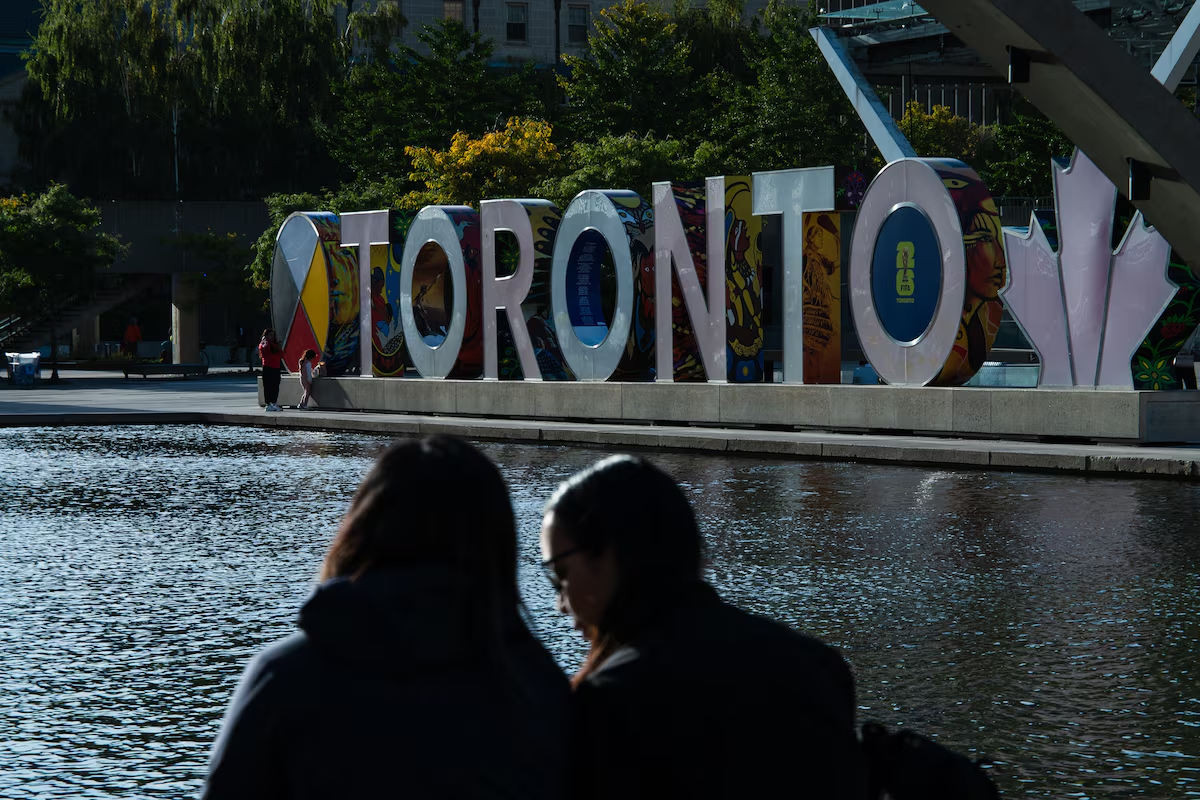
People sit by the water in Nathan Phillips Square in Toronto. Voters will head to the polls Monday to cast ballots in the city’s municipal election.Laura Proctor/The Globe and Mail
Incumbents have a big advantage in municipal elections.
With voter interest and turnout lower than at other levels of politics, they profit simply from having names that most people recognize. Olivia Chow is one of the best-known political figures in Toronto, with years of service as a city councillor, then an MP, behind her before she became mayor in 2023.
History and precedent say she should win. No sitting mayor of Toronto since the creation of a single, unitary city in 1998 has stood for re-election and failed.
Yet, with Monday’s vote just around the corner, the polls are suggesting Ms. Chow could be the first. Brad Bradford, a 40-year-old councillor who came in eighth in the last election for mayor, is nipping at her heels – even pulling ahead, some surveys suggest.
Explainer: Who will be Toronto’s next mayor? What to know before the Oct. 26 election
That is less surprising than it might look. Ms. Chow first entered politics when she won a seat on the school board way back in 1985. Her very familiarity is an impediment in a city that is bubbling with frustration.
Its discontent is manifold. Housing is hard to afford. Traffic is a famous mess. Transit projects go billions over budget and open years behind schedule. Disorder on the streets and the streetcars has many residents wondering what the city is coming to.
Mr. Bradford has seized on these frustrations like a bull terrier. Toronto, he says, is “stuck.” Stuck in traffic, stuck waiting for the bus, stuck paying higher taxes under Ms. Chow with little to show for it. This election, he says, comes down to the three Cs: “Crime, congestion and cost.” In a vigorous, focused attack, he has managed to paint Ms. Chow as a stand-pat candidate who is “very comfortable with the status quo.”
Until recently, the mayor failed to muster much of a counterattack. Instead, she stood on her record – freezing transit fares, delivering a school snack program, opening libraries seven days a week – while promising more relief for renters, transit riders and jobless youth.
Only in the last while, with Mr. Bradford whittling away at her incumbent edge, has she started to fight back in earnest, and even then, it has often looked panicky.
One of her posts seemed to suggest that Mr. Bradford would “go back to closing libraries,” but he denies any such intention. Earlier this week, she even trotted out the Yoda of Canadian environmentalism, David Suzuki, to back her dubious claim that Mr. Bradford’s plan to turn Toronto’s water department into a separate public utility was a plot to privatize it.
You never know. It might work. Her promises to crack down on slumlords and stop supposed price gouging by big grocery chains could help rally her base: left-of-centre voters in the city core.
Tackling Toronto congestion may be a key issue for mayoral candidates, but it’s not all bad
Other voters might take a closer look at some of Mr. Bradford’s claims and start scratching their heads. It is just silly for him to say Ms. Chow has failed to stand up to Ontario Premier Doug Ford when he has stuck his nose into city affairs. She pushed back hard over things like the provincial government’s decision to rip out some bike lanes and remove speed cameras.
Ultimately, Ontario cities are subordinate to Queen’s Park. Every mayor chafes under that reality. Ms. Chow built a good relationship with Mr. Ford despite their political differences and got some big wins. Most notably, she secured a big funding deal that uploaded responsibility for two major highways, the Gardiner Expressway and the Don Valley Parkway, to the province.
More head scratching could ensue over Mr. Bradford’s campaign promises. They include hiring 1,000 new police officers over four years and hurrying ahead with a proposed light-rail transit line into the suburb of Scarborough. They also include some big concessions to taxpayers, such as freezing property taxes in his first year and getting rid of the land-transfer tax on homes valued at less than $1.1-million.
It doesn’t add up. Promising tax cuts and spending increases all at once is not change at all. It is just run-of-the-mill, have-your-cake-and-eat-it politics. Mr. Bradford is hardly reassuring when he asserts he can pay for all of this by changing the city’s accounting practices, cutting the amount of money that the city puts aside for long-term projects and borrowing more instead.
Even if Ms. Chow does prevail in the end, Mr. Bradford has picked up on something. Toronto is a successful city by most measures, but it has some big, complex problems. Its residents are losing confidence that city leaders are capable of grappling with them. Toronto’s mayor has to change that, whichever candidate wins Monday.