
Open this photo in gallery:
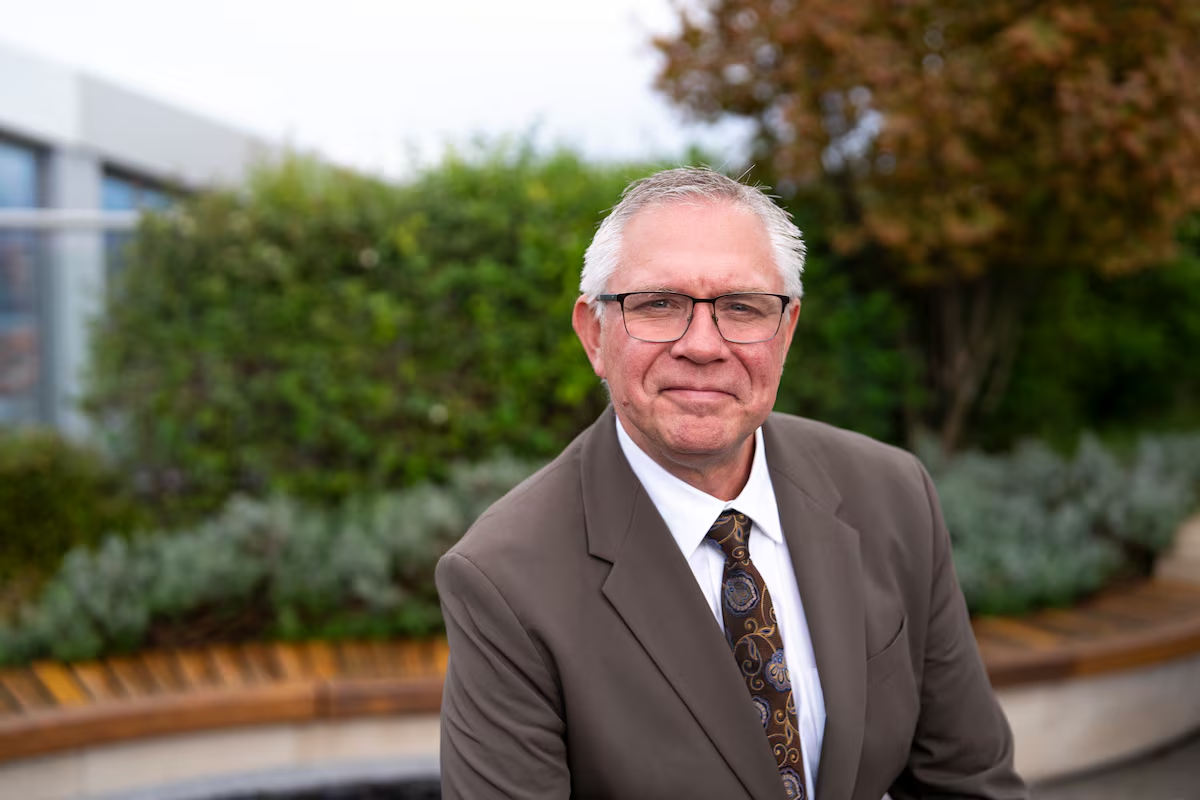
Premier Lorne Doerkson poses for a photo in Vancouver on Wednesday, ahead of his trip to Calgary.Jimmy Jeong/The Globe and Mail
B.C. Premier Lorne Doerkson is in Calgary for his first out-of-province trip since taking office, a visit that includes meetings with oil and gas representatives and fellow Western Canadian conservative premiers, as well as an address to Alberta’s United Conservative Party.
The newly sworn-in Premier said he is aiming to meet with the leaders of 15 to 20 energy companies to discuss the Pacific Link pipeline and other potential investments in his province’s energy sector.
“We’re looking for any opportunity that we might be able to capitalize on in British Columbia,” Mr. Doerkson said in an interview on Thursday.
“We’ve had some great upticks recently. We’ve obviously had the federal government announce an expansion of Woodfibre [LNG]. We’re obviously very bullish on natural gas and excited to meet these folks.”
He will also meet with Alberta Premier Danielle Smith and Saskatchewan Premier Scott Moe.
“I do think there’s obviously an opportunity to chat with the premiers about a bit more willingness on our part in British Columbia to do what we can to help each other and work forward,” Mr. Doerkson said.
Their meeting will take place one week after the B.C. Conservative cabinet was sworn in following a landslide victory in October’s provincial election and puts the three Western premiers in a position to etch out a shared agenda.
Doerkson tasks new B.C. cabinet to undo key NDP policies as he sets out Conservative government’s agenda
Alberta’s UCP extended invitations to both Mr. Doerkson and Mr. Moe to speak at its annual general meeting this weekend to celebrate the three conservative governments with its members, particularly those fired up about B.C.’s first Conservative government in nearly a century, said Dave Prisco, the party’s director of communications.
“With our three provinces pulling in the same direction, there’s no limit to what we can do together, from getting our resources to market to creating good jobs and making life more affordable across the West,” Mr. Prisco said in an e-mail.
“Premier Danielle Smith has a great relationship with both premiers and is excited to work closely with them.”
Drew Lumbard, executive director of communications for Mr. Moe’s office, confirmed that the Premier will be attending but declined to provide further comment.
Mr. Doerkson declined to comment on what message he planned to deliver in his remarks during the opening ceremony of the UCP annual meeting, which runs Friday through Sunday at BMO Centre.
Mr. Doerkson and Ms. Smith had signalled early that they intended to establish a co-operative relationship.
In a news conference a day after the Oct. 24 election, Mr. Doerkson said his first calls would be to Prime Minister Mark Carney and Ms. Smith to get the Pacific Link pipeline working group moving. Ms. Smith, in return, said the two provinces shared strong economic ties and common interests, and that she looked forward to working with the new B.C. Premier.
The overtures mark a potential reset in relations between the two provinces, which have long clashed over energy and environmental policy. Disagreements have included then-B.C. premier John Horgan’s opposition to the Trans Mountain pipeline expansion and then-Alberta premier Rachel Notley’s retaliatory ban on B.C. wine sales.
More recently, B.C.’s David Eby and Ms. Smith traded barbs over the Alberta Premier’s proposal for a new pipeline to B.C.’s north coast, which would have required repealing a federal tanker ban in the region. Mr. Eby derided the plan as “fictional,” arguing that it had no proponent, no route and no funding.
Lorne Doerkson sworn in as B.C. Premier, unveils pared-down cabinet
Asked how he would reconcile competing interests between the two provinces, Mr. Doerkson said his government would always place B.C.’s interests first.
“But I’m obviously very willing and open to conversation with anybody that wants to help British Columbia, so that conversation is wide open,” he said.
Duane Bratt, a political-science professor at Mount Royal University, noted that many Alberta conservatives worked on Mr. Doerkson’s campaign and that there is “clear ideological alignment” between the B.C. Conservatives and the UCP.
“There was ideological alignment between Notley and Horgan, but not on pipelines,” Prof. Bratt said. “Same thing with [premiers] Christy Clark and Alison Redford. But this is different. Doerkson and Smith are on the same page. The challenge for building the pipeline will be Indigenous groups in both provinces – not the B.C. government.”
Kathryn Harrison, a political-science professor at the University of British Columbia, said how far right the B.C. Conservatives land on the political spectrum remains an open question, with implications for its relationship with Alberta.
The resignation of former leader Kerry-Lynne Findlay, the departure of some of the party’s most conservative members and the return of former CentreBC defectors could suggest a revival of the broad coalition that once made up the now-defunct BC Liberal Party, she said.
“If so, I’d expect there would still be a gap between the B.C. and Alberta governments,” Prof. Harrison said. “And that could create challenges for Mr. Doerkson if he signals too much alignment with Danielle Smith’s Alberta Conservatives.”
Alberta’s separatist movement is expected to loom over the gathering, one month after 75 per cent of Albertans rejected separation in a referendum.
On Saturday, The Globe and Mail reported that UCP members remain divided on the issue despite Ms. Smith’s decree that officials within her organization must abandon the quest for secession. Many of the movement’s leaders are prominent players in the UCP and believe that most party members want the organization to continue pushing for separation.
Mr. Doerkson said he is “certainly not a separatist” but would not cast judgment on others.
“I’m here to build relationships with Alberta and other people that want to build British Columbia,” he said.