
Open this photo in gallery:
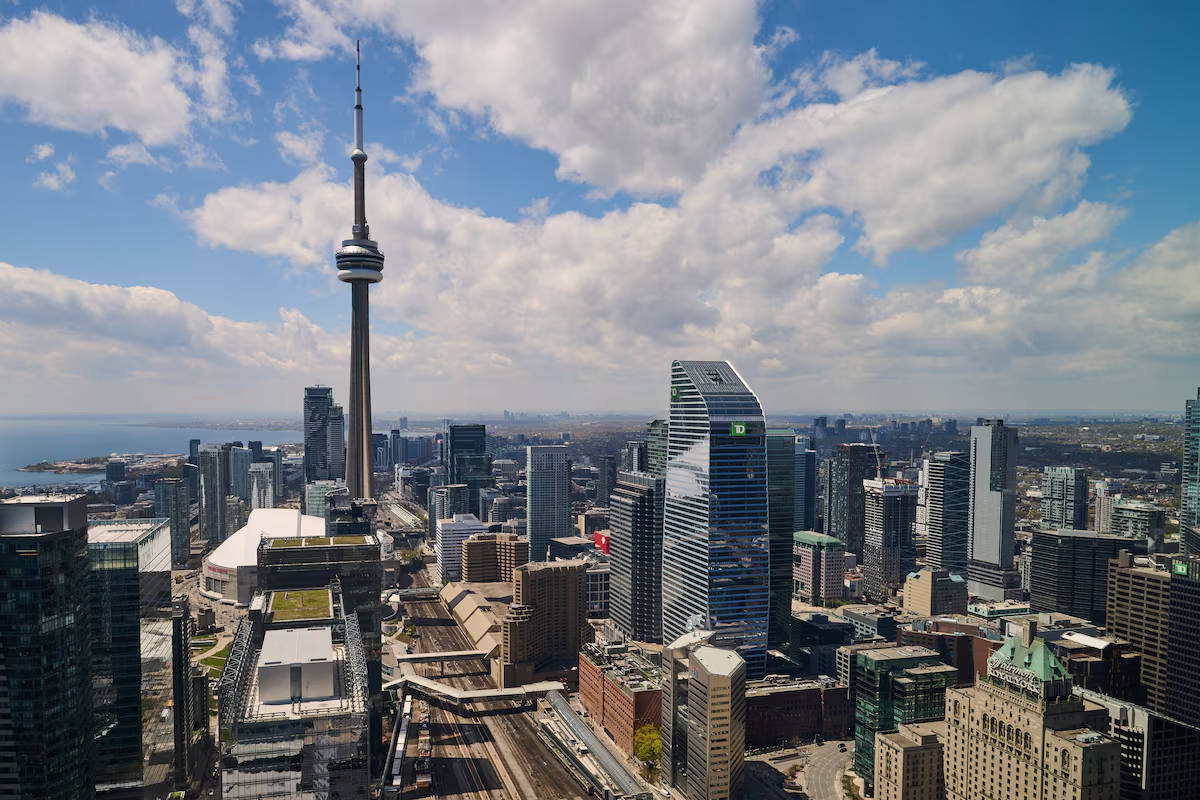
A view of the CN Tower and Toronto skyline. The mayoral race between Olivia Chow and Brad Bradford is too close to call, surveys published ahead of Monday’s vote suggest.Sammy Kogan/The Canadian Press
A hard-fought race to lead Toronto between incumbent Mayor Olivia Chow and her leading challenger, east-end city councillor Brad Bradford, comes to an end on Monday, as Torontonians vote in a municipal election that recently published opinion surveys have suggested is too close to call.
If Mr. Bradford – a former city planner who has sat on council since 2018 and only took 1.28 per cent of the vote in his first bid for mayor three years ago – were to win, Ms. Chow would become the first incumbent in the mayor’s chair to lose since the current city was created by amalgamation in 1998.
Pollster David Valentin of Liaison Strategies, who has been tracking the race closely, says whether Mr. Bradford can put it over the top will depend on turnout, and particularly on whether downtown residents show up. Those in many areas of the city’s centre, he says, have been more likely to vote in recent years – and are more likely to support Ms. Chow.
Who will be Toronto’s next mayor? What to know before the election
Mr. Valentin says the result could hinge on whether the Bradford campaign’s door knockers can outpace the NDP-backed Ms. Chow’s traditionally strong get-out-the-vote operation.
“For me, the question really is, does he have the machine? Does he have the people power to get this done?” Mr. Valentin said.
The rest of Ontario’s municipalities are also going to the polls on Monday, with several races some observers believe could be tight battles for incumbents.
In Mississauga, former mayor and former provincial Liberal leader Bonnie Crombie is among the candidates gunning for her old job, facing off with current Mayor Carolyn Parrish. Local councillor Alvin Tedjo is also running in what has been a bitterly contested race.
In Hamilton, Mayor Andrea Horwath, a former Ontario NDP leader, faces a battle against a field of candidates that includes local business advocate Keanin Loomis, whom she beat only narrowly in 2022, and councillor Rob Cooper.
Marcus Gee: Why Toronto’s election is suddenly a horse race
Ms. Chow, 69 – a former MP and councillor, long-time NDP stalwart and widow of former party leader Jack Layton – rode into Toronto’s city hall three years ago on her trademark flower-festooned bike, after narrowly winning a by-election prompted by the sudden resignation of mayor John Tory over an affair with a staffer.
Facing an inherited $1.8-billion budget hole blamed partly on the aftermath of COVID-19, she brought in two large property-tax hikes in a row (after promising “modest” increases) and signed an unprecedented multibillion-dollar financial deal with Premier Doug Ford, which included $1.2-billion in operating cash over three years and the transfer of the expensive Gardiner Expressway and Don Valley Parkway to the province. The moves were among the reasons the city won a credit-rating upgrade to AA-plus from S&P Global Ratings.
Open this photo in gallery:
Olivia Chow won the mayoral by-election held in the aftermath of John Tory’s resignation in 2023.Arlyn McAdorey/The Canadian Press
In her campaign, she has pledged to reduce fares for frequent transit riders and provide free school lunches, while keeping future property-tax hikes “in and around” the rate of inflation. But she has faced flak for muting her criticism of Mr. Ford’s controversial plans for the province’s waterfront Ontario Place site. And while the city has cleared many of the homeless encampments in its parks on her watch, many in Toronto still complain about the number of drug users or mentally ill people on the streets and in the transit system.
The 40-year-old Mr. Bradford, who worked to appeal to conservatives and suburbanites despite having been a city planner in favour of bike lanes, has repeatedly charged the city was “stuck” under Ms. Chow’s status quo. He vows to freeze property taxes, commission an external “line-by-line” review of spending and eliminate the city’s land-transfer tax on sales of homes under $1.1-million. The tax has been a key revenue source for the perennially cash-strapped municipality since it was introduced 20 years ago.
Open this photo in gallery:
Brad Bradford is a former city planner who has sat on council since 2018.Chris Young/The Canadian Press
He also pledged to hire 1,000 additional police officers, capitalizing on widespread fears of disorder and crime – fears that persist despite low overall crime rates. Last September, he appeared on the cover of the tabloid Toronto Sun, posing with the softball bat he said he keeps in his bedroom to protect his family from home invaders.
Ms. Chow has charged that Mr. Bradford’s cost-cutting plans would mean shutting libraries and raising transit fares, which he denies. She also told viewers of Thursday’s final televised debate that Mr. Bradford’s tax freeze would still leave the city’s annual 1.5-per-cent building levy untouched.
Tackling Toronto congestion may be a key issue for mayoral candidates, but it’s not all bad
In recent weeks, the two campaigns have clashed as Ms. Chow and high-profile allies, including environmentalist David Suzuki and former mayor David Miller, have charged that Mr. Bradford’s promise to hive off the Toronto Water department into a separate, publicly owned company is a step toward privatization.
Mr. Bradford says his plan would allow Toronto to finance new water pipes with debt instead of higher rates, cutting water bills by 25 per cent – and vows that the new entity would remain publicly owned under the new provincial law that allows the change. In last week’s debate, Mr. Bradford told Ms. Chow the criticism was “misinformation” and “scare tactics.”
Looming over the campaign was the shadow of Mr. Ford, who has often intervened in Toronto affairs and is a former city councillor and the brother of the late mayor Rob Ford.
Cycling advocates rally, petition Supreme Court to rule on Toronto bike-lane removal
The Premier, whose bid to override Ms. Chow’s objections and allow jets at the city’s waterfront island airport was blocked by Ottawa this summer, has in recent days carried out his threat to unilaterally rip out a stretch of the city’s west-end bike lanes. Mr. Bradford, who now agrees with the removal of those lanes despite previously supporting their installation, accuses Ms. Chow of failing to stand up to Mr. Ford.
Despite Mr. Bradford’s conservative thrust and the presence of former Ford aides on his campaign, the Premier all but endorsed Ms. Chow in September, in remarks his office later tried to recant, saying the Premier was not endorsing anyone. Before she was elected, he had warned she would be “unmitigated disaster” but he has since then frequently sung her praises.
Meanwhile, in several of Toronto’s 25 wards, there are races that are expected to be competitive, including in some where incumbents have stepped down, throwing the composition of the next council into question. In addition to Mr. Bradford’s former seat in Beaches-East York, there are open races in Toronto-Danforth, University-Rosedale and Parkdale-High Park.