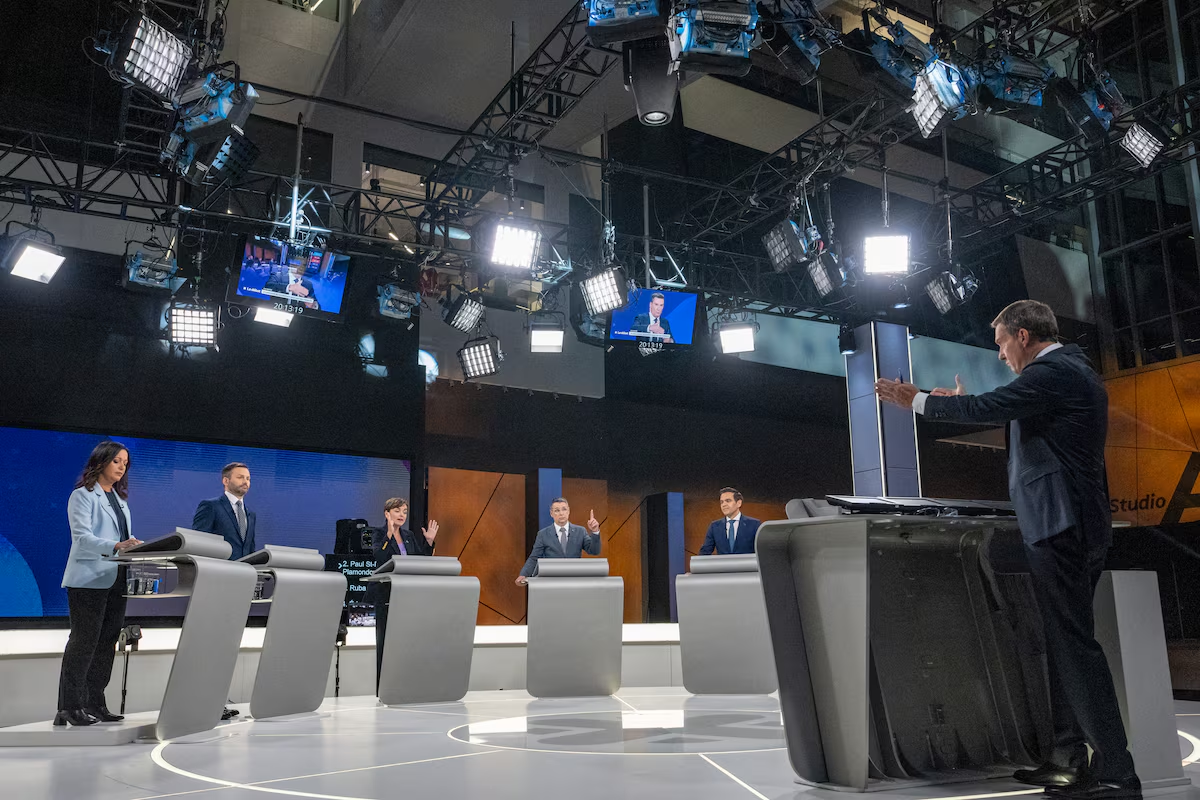

Open this photo in gallery:
Quebec party leaders participate in the third and final televised Quebec election debate in Montreal on Wednesday.CHRISTOPHER KATSAROV/AFP/Getty Images
Coalition Avenir Québec Leader Christine Fréchette fended off criticism about her party’s management of health care services in the opening minutes of the third and final debate of the provincial election campaign.
Fréchette was challenged by Liberal Leader Charles Milliard and Parti Québécois Leader Paul St-Pierre Plamondon for what they described as her party’s broken health-care promises over its last eight years in government.
Milliard said Quebecers have been “betrayed” by the Coalition Avenir Québec’s promises to reduce emergency room wait times and ensure every Quebecer had a doctor. St-Pierre Plamondon agreed, saying the latter promise was “disrespectful of people’s intelligence.”
Fréchette acknowledged there “is still a lot of work to do,” but said her party had made improvements, including in increasing the number of surgeries performed and signing up hundreds of thousands of Quebecers for groups of family doctors.
The debate, hosted by Radio-Canada, opened with the moderator, Patrice Roy, asking each of the five leaders what distinguished them from their rivals.
Fréchette stumbled slightly as the first one to answer the question, listing a few promises to make life more affordable for families, before Roy cut her off for going over her allotted time.
Ruba Ghazal, the co-spokesperson for the left-leaning Québec solidaire party said she knew voters were concerned about the crisis provoked by escalating tariffs between the U.S. and Canada, pledging to offer a plan for the long-term that would address problems beyond the next four years of a mandate.
Conservative Party of Quebec Leader Éric Duhaime pledged to overhaul bureaucratic waste in government, turning savings into tax cuts.
He also said Quebec needed to make more room for the private sector in the province’s health care system.
The five leaders were greeted by a raucous crowd as they arrived for the two-hour debate at the CBC building, east of downtown Montreal. The crowd included cheering supporters and protesters, including striking paramedics, pro-Palestinian activists and environmental groups.
Leaders will spar on five themes: the future of Quebec, the economy, cuts to taxes and public services, childcare, and health.
The party leaders have faced questions in recent days about potential alliances if no party succeeds in forming a majority.
The PQ leader said Monday that an alliance was out of the question, after his rivals suggested his ideas are similar to those of Conservative Leader Éric Duhaime.
Poll aggregator Qc125 suggests the Parti Québécois remains the front-runner but that a minority outcome remains the most likely scenario.
Sovereignty, affordability and the trade war with the U.S. have been among the top issues so far in the campaign.
Quebec voters go to the polls on Oct. 5.