
Open this photo in gallery:
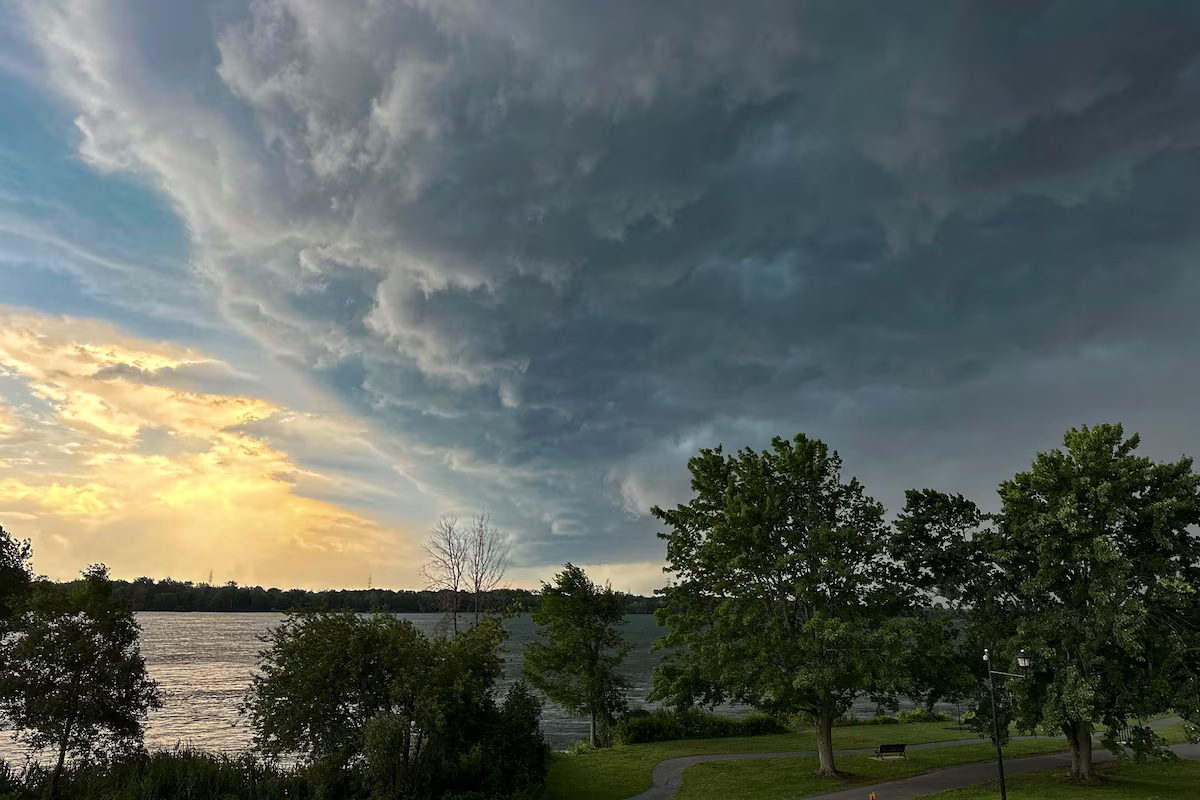
A new storm warning system will target alerts specifically to the area forecasters think will be hit rather than issue alerts to a broad area.Christinne Muschi/The Canadian Press
Environment Canada launched a new, more targeted thunderstorm and tornado warning system this week to address “alert fatigue” and cut down on the number of weather alerts Canadians get on their phones.
The new system will target alerts specifically to the area forecasters think will be hit, rather than issue a broad warning across a large area.
“Alert fatigue is something that we know everyone has,” said Giselle Dookhie, a warning preparedness meteorologist at Environment and Climate Change Canada.
“It’s not something we want the public [to take lightly] when they see a warning for a severe thunderstorm or tornado warning. We want them to know that it’s likely to impact them, and they should protect themselves and others and their property from harm.”
Forecasters will now have the ability to draw a perimeter around the area they think is most likely to be affected and then push an alert to phones in that area.
The changes will only apply to severe thunderstorm and tornado warnings. While they took effect Tuesday, Environment Canada is planning an official launch for Wednesday.
Dookhie says the new system will also generate more specific information within push alerts than just general area and weather threat information.
“It will provide a list of locations in nearby areas that could be impacted, and that list will be ordered by time of arrival and display up to 10 different locations,” Dookhie said.
“But it will still contain all of the relevant information in terms of what the main weather hazards are, like wind, hail, heavy rain. And also the safety information that we have in our warnings.”
Other alerts like heat warnings and thunderstorm watches will still have broad alert areas.
“It’s going to take some learning with the system, because not everyone is going to be able to migrate at the same time, to displaying the polygon warnings,” Dookhie said.
“So Environment Canada is making both zone-based warnings on polygon warning data available.”